Tree Crown Reduction - Why Prune Your Fruit Trees?
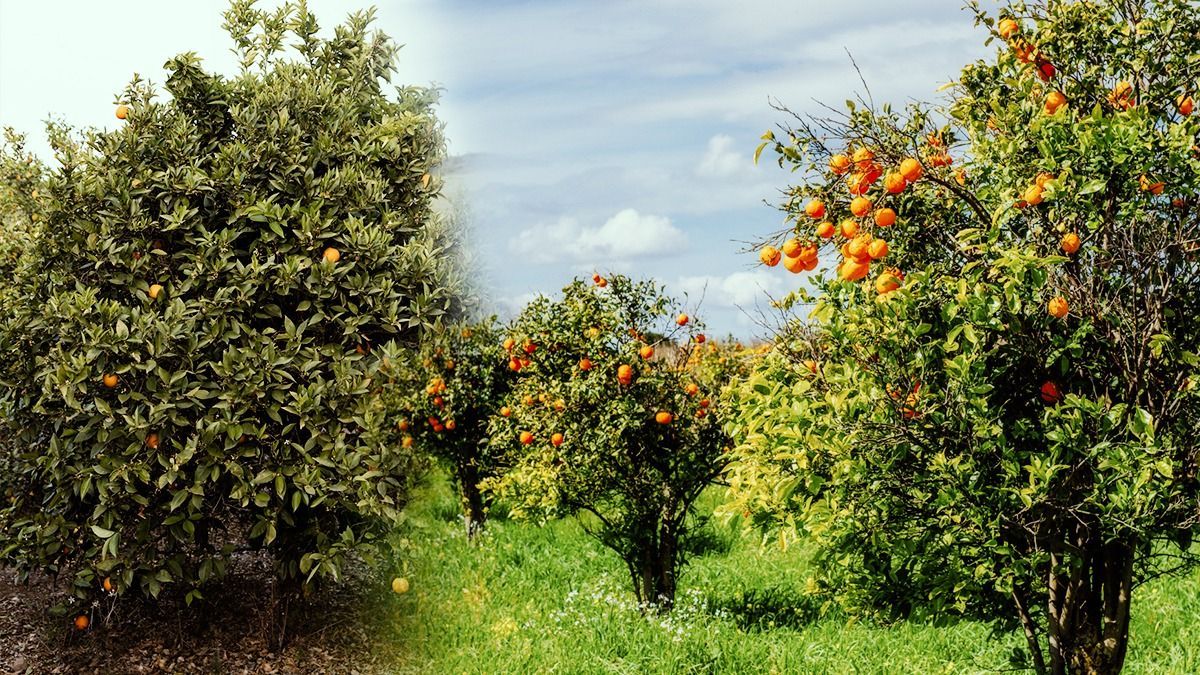
If you want to cut the branches of trees but don’t know the procedures, then this guide is created for you!
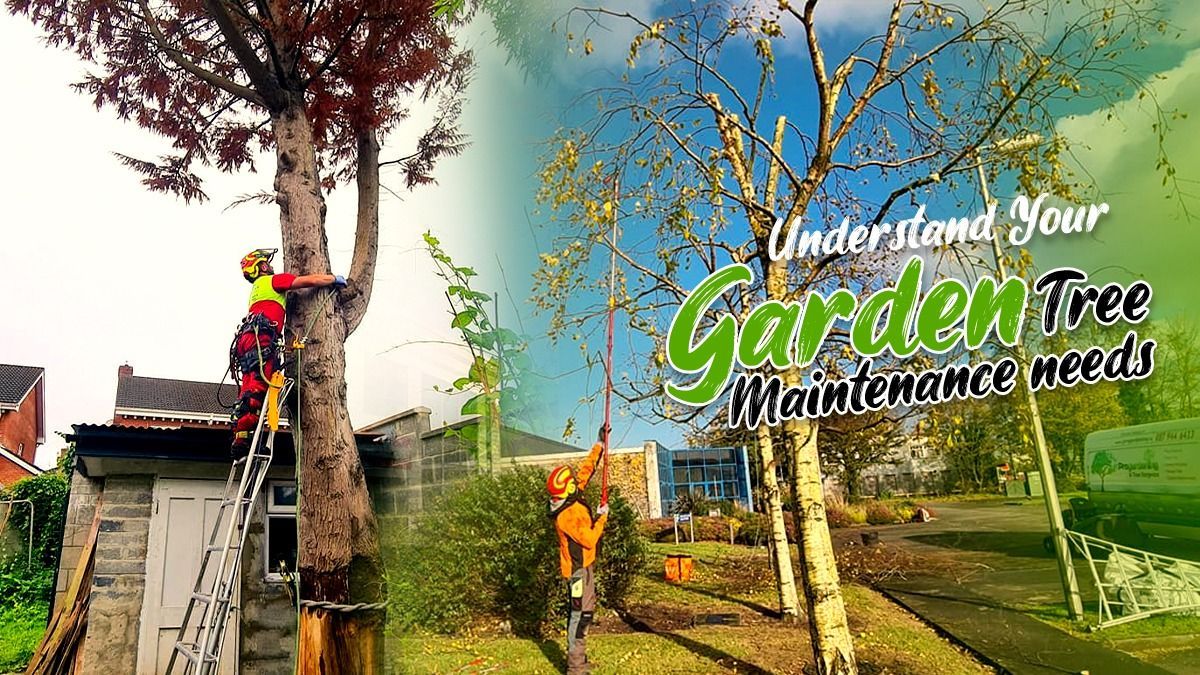
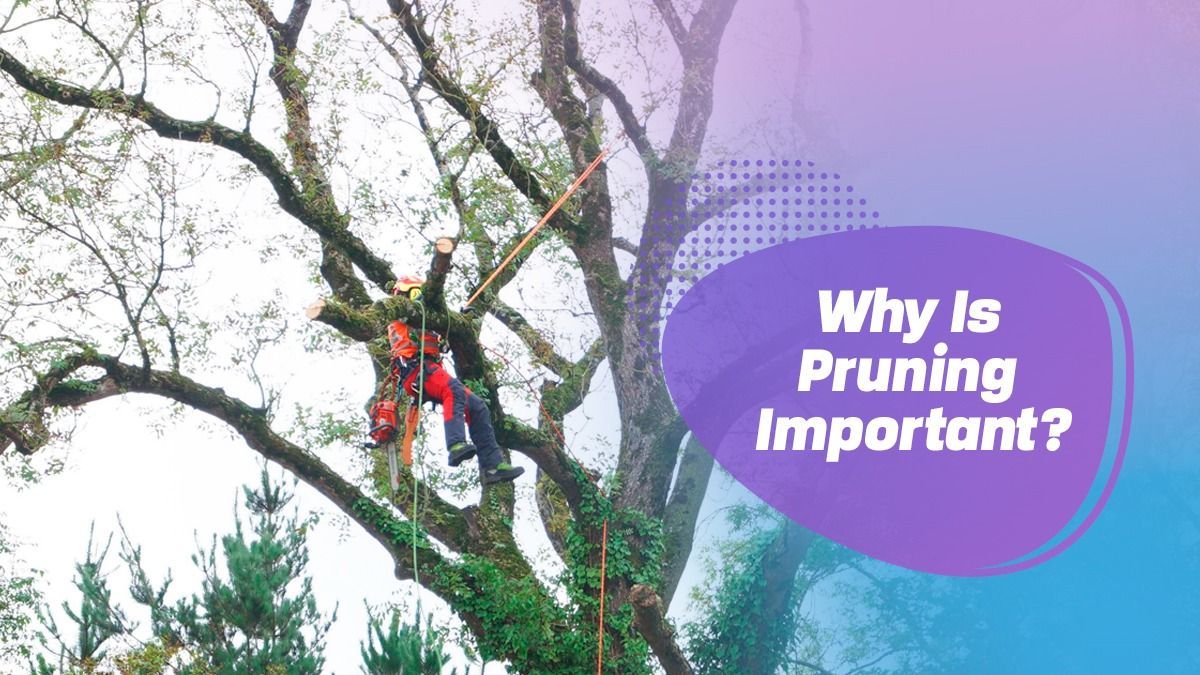
Fruit tree pruning may seem frightening, particularly for those who fear that they will cut down too many branches, harm the tree, or decrease their yield. However, if done properly, pruning contributes greatly to the tree's growth, increased production, and general well-being. If your tree has become overgrown, then it might also be worth thinking about crown reduction, which means that it is essential to learn about tree crown reduction cost in Limerick prior to beginning the process. Why do we need pruning, and what benefits does it bring?
Here are the four essential reasons that justify getting out the pruning shears.
1. To Train The Tree So That It Is Balanced And Productive
A tree, when it is planted from a sapling (a bare stem without any branches), does not have any specific structure. It is left to you to give it whatever shape you like: goblet, spindle, palmette, half-standard… Uncertain about what form to give your tree depending on your garden space and objectives? Check out our detailed article on the forms of fruit trees.
This shaping, done when the tree is young, determines the structure of the tree throughout its life. It consists of obtaining a robust structure with branches that are well spread and directed outward so that they can support the weight of the fruit.
If you buy a fruit tree already shaped into a goblet, spindle, or palmette form at the nursery, this shaping will already be completed or in progress. But if you have bought a sapling, then you will need to complete this process over a period of two to three years. What is required? That you end up with a balanced tree with good air circulation inside, and that is easy to maintain. Otherwise, you will never succeed in having an easily managed tree that bears fruit.
2. Limit The Size To Make Maintenance And Picking Easier
The natural growth of a fruit tree can be rather significant. For example, an ordinary cherry tree will grow up to 8-10 meters tall, while an apple tree can be 6-7 meters. All well, but in a large orchard or meadow, this is acceptable. However, in a family garden, it is not. How to pick fruits? How to protect the tree from various diseases or parasites? How to prune a tree whose branches are already beyond reach?
Through pruning, you will limit the tree's size, which will be appropriate: 3-4 meters for a half-standard apple or pear, 2-2.5 meters for goblet or spindle. This will improve picking comfort, maintenance simplicity, and increase planting density in one place. The tree of limited size will have a much better crop. The sap will circulate through the whole tree evenly and not just in the upper branches.
3. Fruiting Parts Need To Be Renewed To Ensure Productivity
All fruit trees do not bear their fruits in the same place and/or at the same time. In some of the trees, such as apple or pear trees, fruits are produced by two- to three-year-old branches called spurs. The branches become old and finally exhaust. After eight to ten years, these branches produce fewer and fewer fruits. By performing maintenance pruning, it is possible to renew old spurs and promote new fruitful branches. Without renewal of fruitful branches, productivity reduces.
In other fruit tree species such as peach or almond trees, fruits are produced on one-year-old branches. In the absence of pruning, fruitful branches grow away from the stem, the bottom part of the tree gets naked, and you will have a tree bearing its fruits around the edges, which makes harvesting difficult and unbalanced. With pruning, the tree produces strong new branches close to the stem.
4. Improve The Quality And Quantity Of Fruit
The fruit tree, which is not trimmed, has many small fruits, which are sometimes too small, not too sweet, and even insufficiently exposed to sunlight. Trimming allows for focusing of the efforts of the plant in order to obtain a moderate amount of fruits, which will be larger in size and taste better. Moreover, trimming allows for better ventilation and sunlight exposure in the tree crown: the fruits get enough light, ripen better, and acquire their aroma.
An overcrowded tree with tangled branches holds moisture in its crown, which leads to the development of fungal diseases such as scab, mildew, brown rot, and canker. The removal of the branches that grow in the wrong direction and thinning the crown allow for creating air currents, which will quickly dry up the foliage after the rain. As a result, the tree gets fewer diseases, does not require any treatments, and bears healthier fruits.
Pruning helps improve the regularity of harvest. Certain plants, especially apple trees, tend to bear fruits alternately: a year of large harvest and a year without any fruits at all. Proper pruning will reduce the impact of this tendency.
Conclusion
Crown cutting of a tree is an art, rather than a science. Every tree is different – some have more vigor, some have less. There are trees that grow vigorously and need to be pruned constantly. Other, smarter trees can do well with just occasional trimming once in two or three years. All it takes is careful observation – see how your tree reacts to your efforts, and you will learn to understand it.
Don’t try to be perfect in the first year. Pruning is something that should be learned with experience, and a mistake or two are inevitable here. A poorly pruned tree will be able to regain its balance in following years with your help. Begin simply – trim off all dead branches, all branches growing inwards or crossing each other. It’s a lot, but it works.
If you are not sure whether to prune or not, there is an easy way out. You have to contact a tree care company in Limerick that will advise you when to cut down the branches. At Tree Surgeons & Pro Gardening, we offer professional tree care services, using mountaineering methods. We are a qualified team with over 10 years' experience in the tree care industry.
For more details, get in touch with us!