Tree Felling vs Tree Topping: Understanding Modern Tree Care Practices
If you are planning tree care for your property, you may be wondering whether to select Tree Felling or Tree Topping. Each approach offers distinct advantages, depending on your garden’s condition and goals. Understanding how these services differ can help you make an informed decision that enhances both the health and appearance of your outdoor space.
What is tree felling?
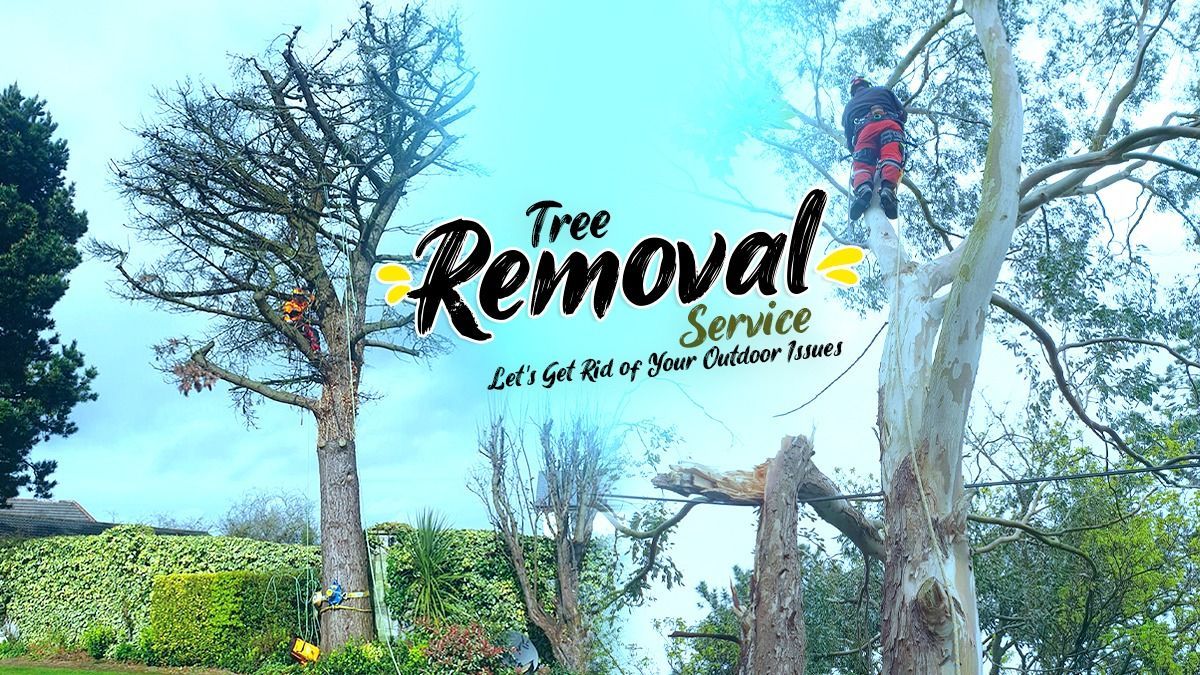
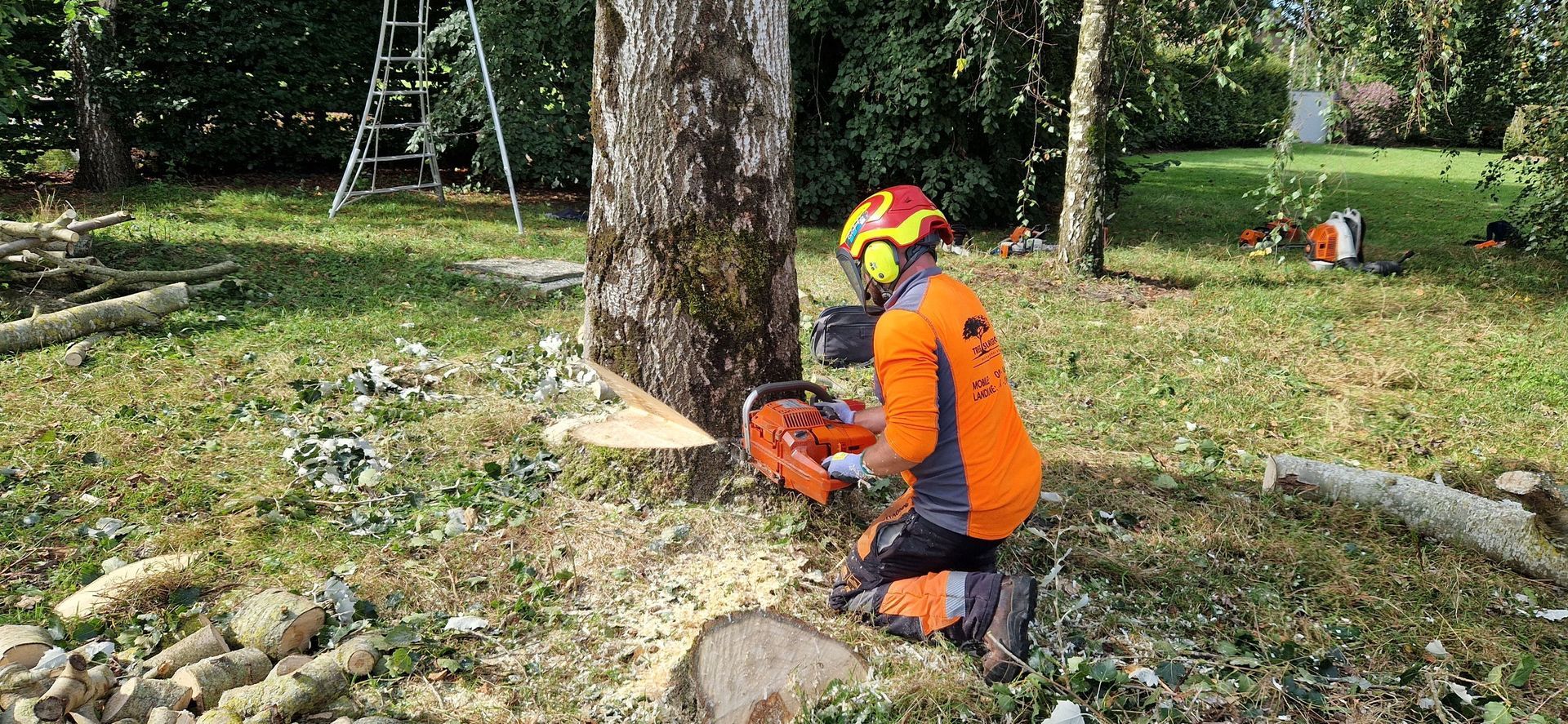
Tree felling in Limerick is an important arboricultural practice that involves the safe and controlled removal of trees from a site. It is carried out for different reasons, including safety concerns, disease control, construction needs, or improving land use. Skilled professionals carefully analyze each tree’s condition, surrounding environment, and potential risks before planning the cut.
How does tree felling go beyond simple cutting to maintain a balance between safety, efficiency, and environmental care?
Tree felling goes beyond simple cutting to maintain a balance between safety, efficiency, and environmental care through the following lines.
- Selective removal, not random cutting
The targeted approach helps maintain safety, as hazardous trees are removed in a controlled manner to prevent accidents. It also ensures efficiency, since each operation is planned to minimize time, damage, and disruption. At the same time, it supports environmental care by protecting vegetation, wildlife habitats, and soil conditions, avoiding unnecessary loss of greenery.
- Risk assessment before cutting
Professional tree felling experts carefully inspect the tree’s condition, height, lean, and root stability. They also evaluate the surrounding environment to identify potential hazards and determine the safest removal method. This planning stage helps create a balance between safety, efficiency, and environmental care. By understanding the surrounding ecosystem before cutting begins, professionals can reduce environmental impact while safely removing the trees that need attention.
- Controlled direction of fall
Before making any cuts, professional arborists analyze the tree’s height, weight distribution, natural lean, wind conditions, and surrounding obstacles to determine the safest landing direction. The tree felling process also reduces disturbance to the soil and landscape, ensuring the tree removal process remains as responsible and sustainable as possible.
- Minimal site damage
Tree felling goes beyond simple cutting by focusing on minimal site damage, ensuring the surrounding environment remains protected throughout the removal process. Arborists often use specialized equipment and controlled lowering techniques to avoid excessive ground compaction and protect nearby habitats. By reducing disturbance to the ecosystem, tree felling becomes a more sustainable and responsible process instead of simple tree removal.
- Waste reduction and reuse
Tree felling professionals often recycle felled trees into timber, firewood, mulch, wood chips or biomass, ensuring that as much of the material as possible is repurposed responsibly. Mulch and wood chips can even be reused in gardens and landscapes to improve soil health and moisture retention. Tree felling becomes a more sustainable and environmentally conscious practice by giving trees a second chance.
- Replanting and regeneration
After a tree is removed, many tree felling experts encourage planting new trees to restore greenery, support biodiversity, and maintain the natural balance of the landscape. Young trees also absorb carbon dioxide and contribute to a healthier environment over time. Through regeneration efforts, this process becomes a part of a sustainable cycle that supports both human needs and ecological well-being.
Features of the tree felling process
The tree felling process involves a series of planned steps and safety measures to cut down a tree safely and efficiently.
- Safety Precautions
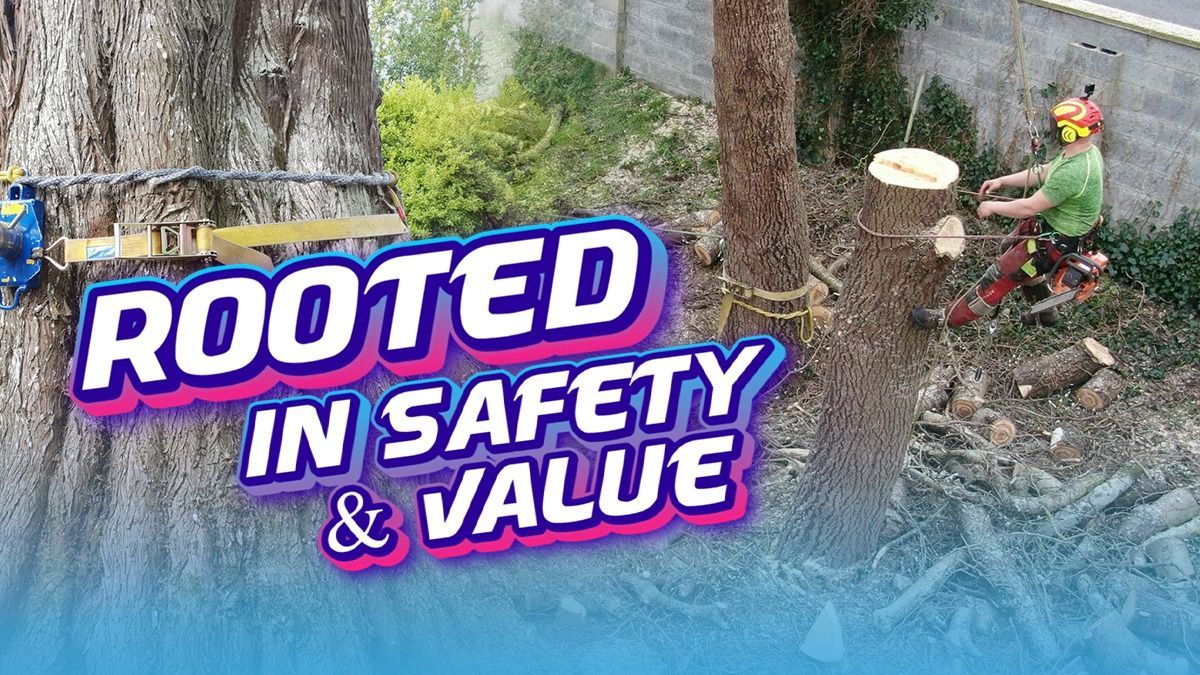
The tree is checked for dead branches, cracks, decay, leaning directions, and nearby directions like power lines or buildings. Clear escape paths are prepared at an angle away from the expected felling direction of the tree. Bushes and rocks are removed to allow safe movement. Workers use warning signals or verbal communication before and during the tree fall.
- Use of tools and machinery
Tools like chainsaws are used for cutting trees, and they enable fast and precise cutting of trees and branches. Axes and hand saws are used for small trees, trimming branches or finishing cuts where chainsaws are unsuitable. Felling Wedges are inserted into cuts to prevent the tree from felling in the wrong direction or pinching the chainsaw blade.
- Post-felling operations
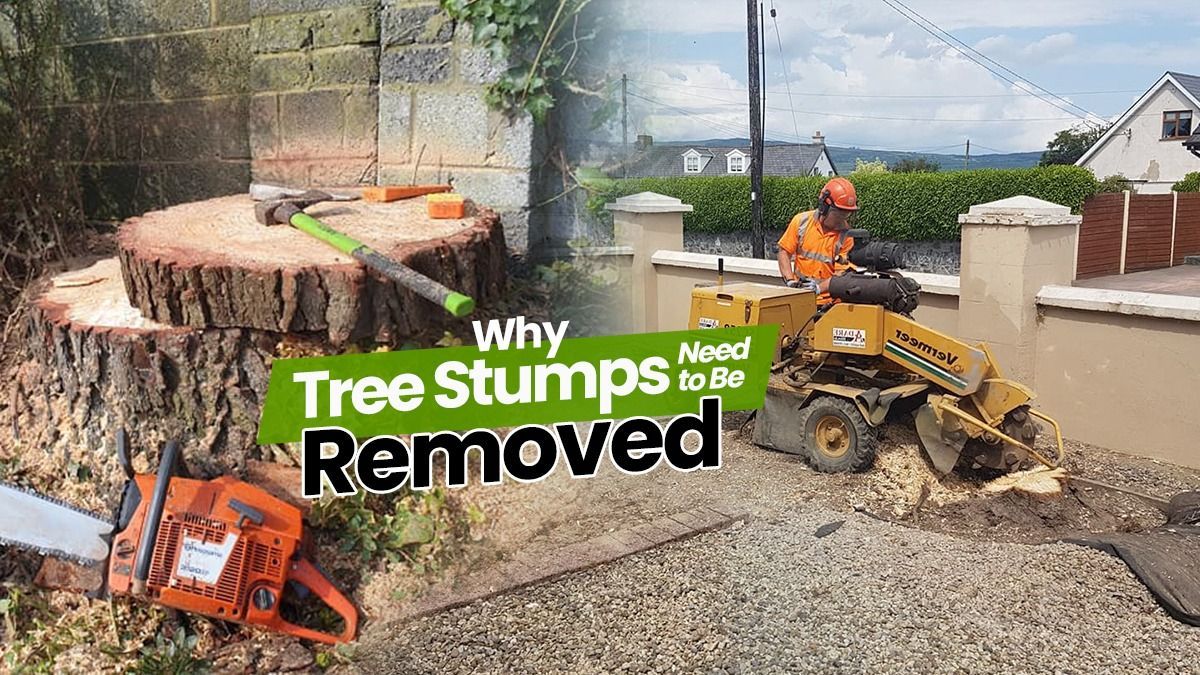
Tree felling in Limerick involves cutting the trunk into smaller sections or logs according to required sizes, and it facilitates transportation and processing. It uses skidders, tractors, trucks, or forwarders to move logs to storage or processing sites. It generally cuts the stump low to the ground or removes it completely, if needed.
- Environmental and Legal Considerations
The tree felling process involves preventing soil erosion and protecting nearby rivers, streams, and wetlands from damage. It helps plant new trees to replace those removed and maintain forest sustainability. Tree felling professionals obtain permission from local authorities before cutting trees, especially in protected areas. These prospects help balance human needs with environmental conservation and legal responsibility.
- Risk Management
The tree felling process involves the use of helmets, goggles, ear protection, gloves, and protective clothing to reduce injury severity. It ensures workers are trained in chainsaw operation, emergency response, and safe felling techniques. Felling is generally avoided during strong winds, storms, or poor visibility conditions that increase risk.
What is tree topping?
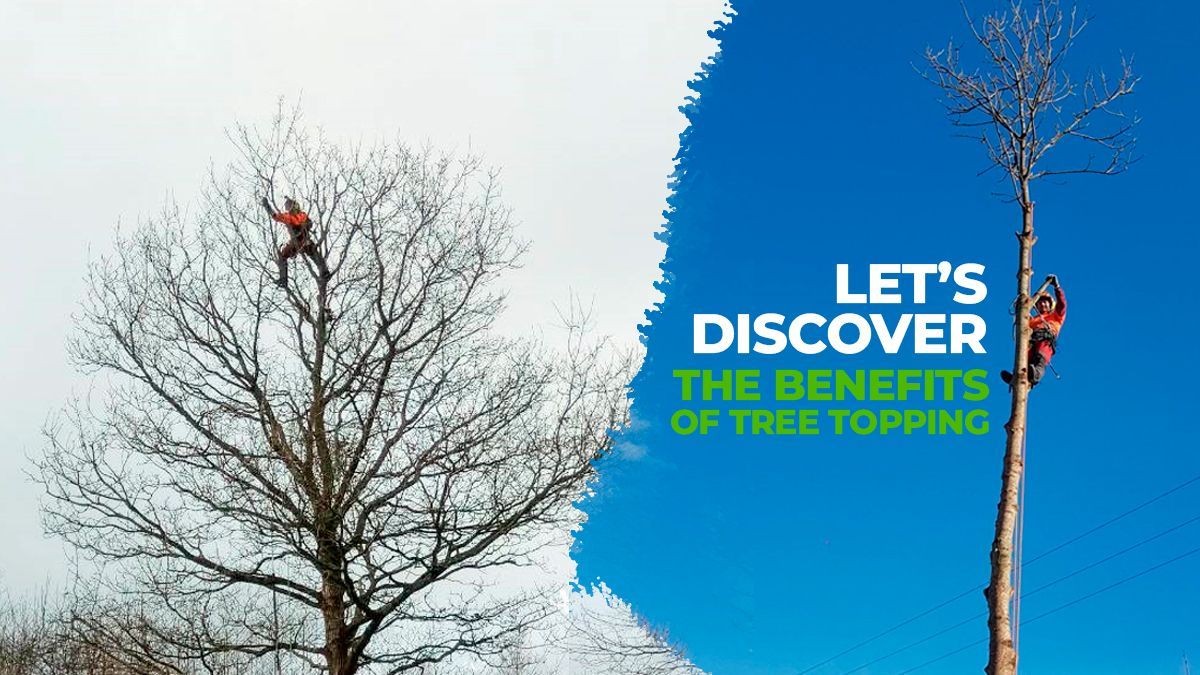
Tree topping is one of those forestry practices that often stands at the crossroads of necessity and controversy. At its simplest, it involves cutting back the uppermost branches or main leader of a tree, usually to reduce its height or reshape its canopy. While it may sound like a straightforward act of trimming, topping is far more complex in both its purpose and its consequences.
For centuries, people have altered tree growth to meet human needs – whether to prevent interference with power lines, reduce wind resistance, improve safety near buildings, or control the size of ornamental trees in managed landscapes. In urban environments, toppings have sometimes been used as a quick solution to manage overgrown trees that pose risks to infrastructure or public safety.
What factors are driving recent changes in tree topping practices?
Although tree topping is widely discouraged by arborists, it still persists in many places. Recent discussions in urban forestry show that its use is changing patterns instead of disappearing completely.
- Increased Urban Expansion
The Tree Topping in Limerick is a rapid but blunt solution to reduce the height of growing trees in residential streets, housing estates, commercial zones, and areas near infrastructure. With more people, vehicles, and structures nearby, there is less tolerance for potentially unstable trees. This pressure can result in more interventions, even if it is not ideal from an arboricultural standpoint. The tree topping has increased the need for tree control, but also encourages more scientifically sound approaches.
- Public Safety Concerns
Public safety concerns have resulted in a growing awareness of tree-topping risks. While it may seem like a preventive measure, topping often results in weak, fast-growing shoots that are more likely to break in the future. It has shifted professionally toward safer alternatives like crown reduction and selective pruning. This prospect is driving a dual change- the tree topping gradually justifies tree height control in urgent situations, but influences professional tree topping experts to develop sound practices.
- Cost-driven Short-Term Maintenance
Tree topping is chosen because it is cheaper and faster than proper pruning techniques. In urban maintenance programs, property management and even municipal contracts, budgets are limited, and many trees may need attention. This short-term cost advantage has contributed to its gradual use in Limerick, where tree care is treated as routine maintenance instead of specialized arboriculture. There are long-term consequences, where there is a slight shift in the introduction of sustainable alternatives.
- Misunderstanding of Tree Biology
A common misconception is that cutting off the top of a tree will control its growth permanently or make it safer by reducing height. As awareness of tree biology has improved through urban forestry education and arboricultural research, this misunderstanding is being clarified. Modern guidance now emphasizes practices like crown reduction and selective pruning, which work with natural growth patterns instead of against them.
- Contractor Skill Gaps
In many regions, tree work is carried out by contractors with limited formal training in arboriculture. When workers are not familiar with tree biology or advanced pruning techniques, they may rely on tree pruning because it is simple, fast, and does not need precise cutting decisions. Many contractors now specify proper pruning standards and restrict or prohibit topping altogether.
- Transition towards regulation and awareness
As public understanding of tree health has improved in Limerick, people and organizations have become more aware that tree topping is not just a cosmetic issue. It can seriously harm trees by causing weak regrowth, internal decay, and structural instability. The local government and municipality of Limerick have introduced regulations, guidelines, and sometimes outright restrictions on topping.
Conclusion
In the end, the question of tree felling versus tree topping is less about choosing a winner and more about understanding intent, impact, and responsibility. Tree Surgeons & Pro Gardening provides both of these services. Tree felling in Limerick is a decisive act- it removes a tree entirely when it is dead, dangerous, or no longer suitable for its environment. When done correctly, it is structured, planned, and often followed by restoration or replanting, making space for renewal.
Tree topping in Limerick is an intervention that tries to control growth without fully removing the tree. While it may seem like a convenient shortcut for managing height or reducing risk, it often disrupts the tree’s natural biology, resulting in weaker regrowth and long-term instability.