Expert Tree Cutting Techniques for Tall, Heavy and Leaning Trees

A few days ago, you may have watched a crew bring down a massive leaning tree and wondered how they pulled it off. It looks wild from the pavement, yet every move is planned. Tall, heavy and bent trees hold a lot of hidden tension, and one careless cut can split the trunk or send it the wrong way. To avoid that, arborists pick a set technique for each tree.
Below are five of them, from crown reduction to crane-assisted dismantling. Also, if a risky tree on your property keeps you up at night, professional tree cutting in Limerick is the safest route. Let’s have a detailed discussion.
Top 5 Expert Techniques for Cutting Long, Big, High and Bent Trees
Every tree is different. That said, the five methods below cover most of the tricky jobs.
Technique 1: Crown Reduction and Weight Distribution
- Tools Needed: Ropes for rigging, pro-grade chainsaws, pole saws and friction lowering devices.
- Preparation: Initially, the centre of gravity and loading of the tree's trunk by its massive canopy are evaluated. Subsequently, a clearance is created around the tree's base.
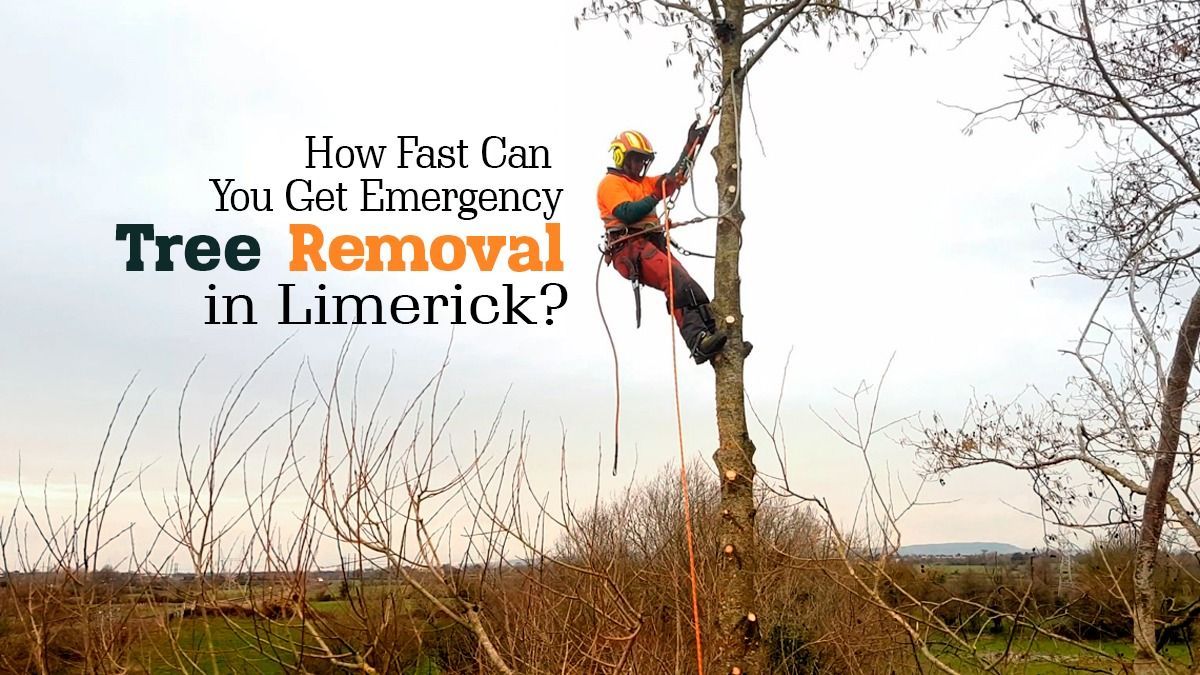
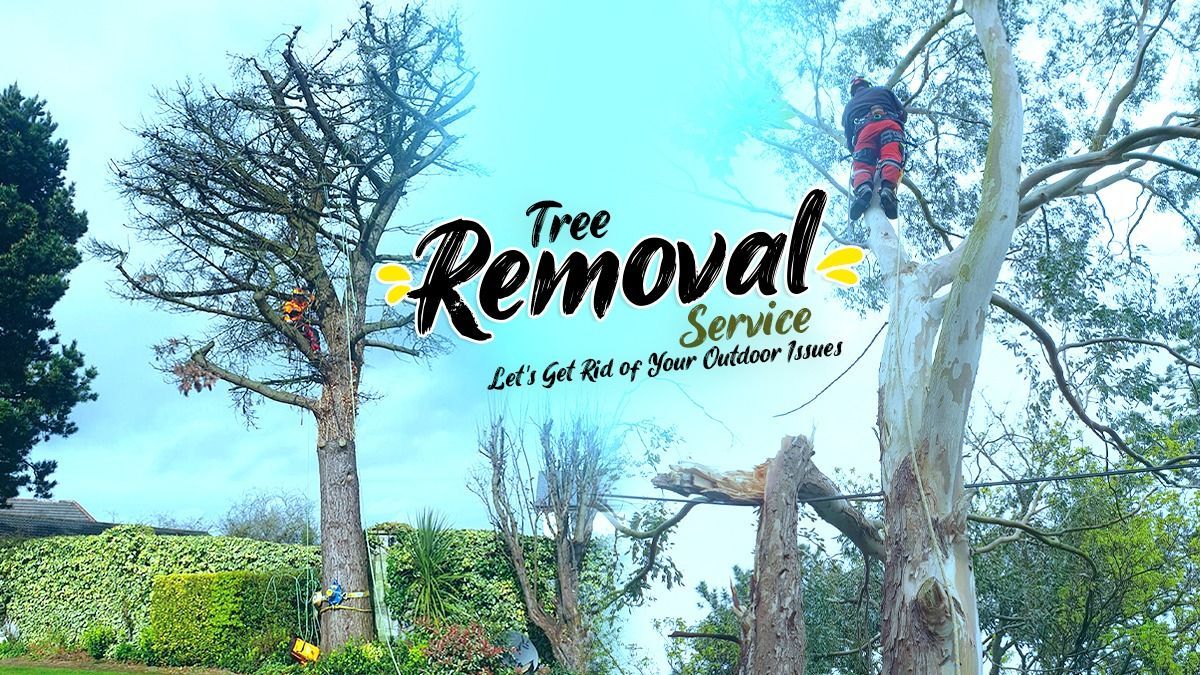
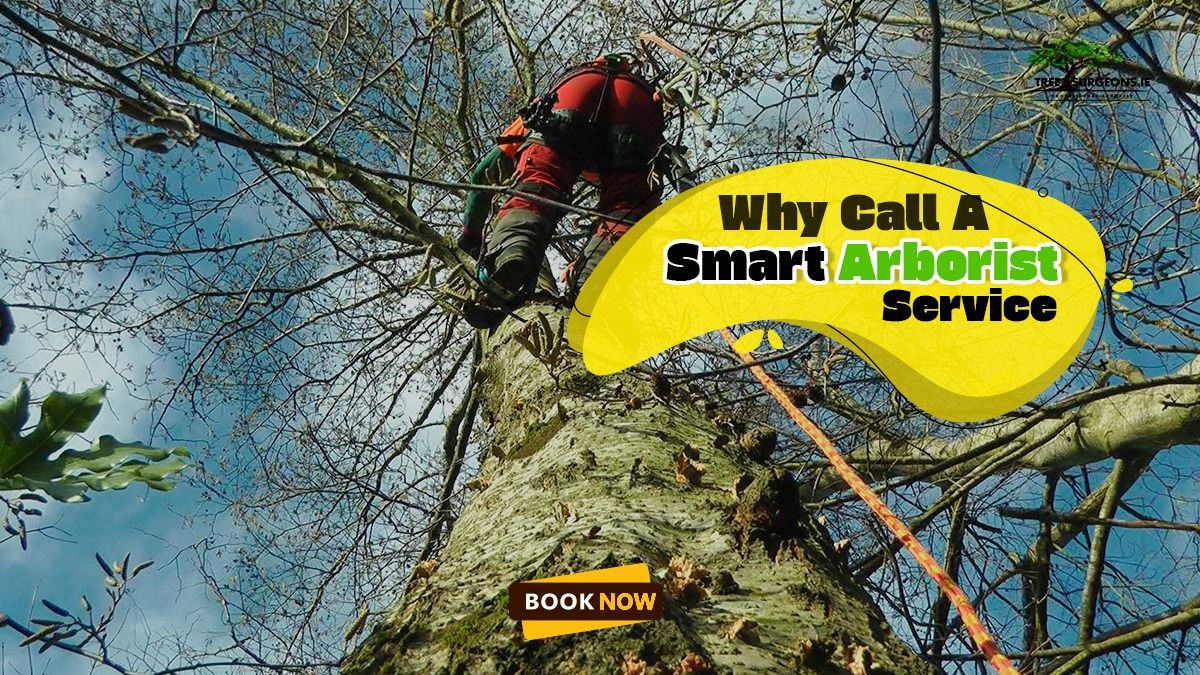
- Process of Cutting and Removal: Before cutting the main trunk, climbing equipment is used to climb and cut the outer branches. This cuts the crown's height and spread, which lowers wind resistance. As a result, the weight shifts downward, and the trunk is less likely to snap under its own load.
Technique 2: Sectional Dismantling with Rigging and Crashing
- Tools Needed: Tree cutting experts in Limerick use Portawrap bollards, lowering ropes, pulleys and medium to heavy chainsaws.
- Preparation: A tall, bent tree rarely drops in one piece, since obstacles or weak wood get in the way. Hence, the crew maps the drop zone and sets anchors on sturdy neighbouring trees or at the base of the target tree.
- Cutting & Removal Procedure: The arborist works from the top down. Each limb is cut and tied to a rigging line. In the meantime, the ground crew lowers it slowly. This is to protect the lawn and paving. Once only the bare spar remains, the trunk is cut into short, manageable logs.
Technique 3: Directional Humboldt Notch and Back-Cut
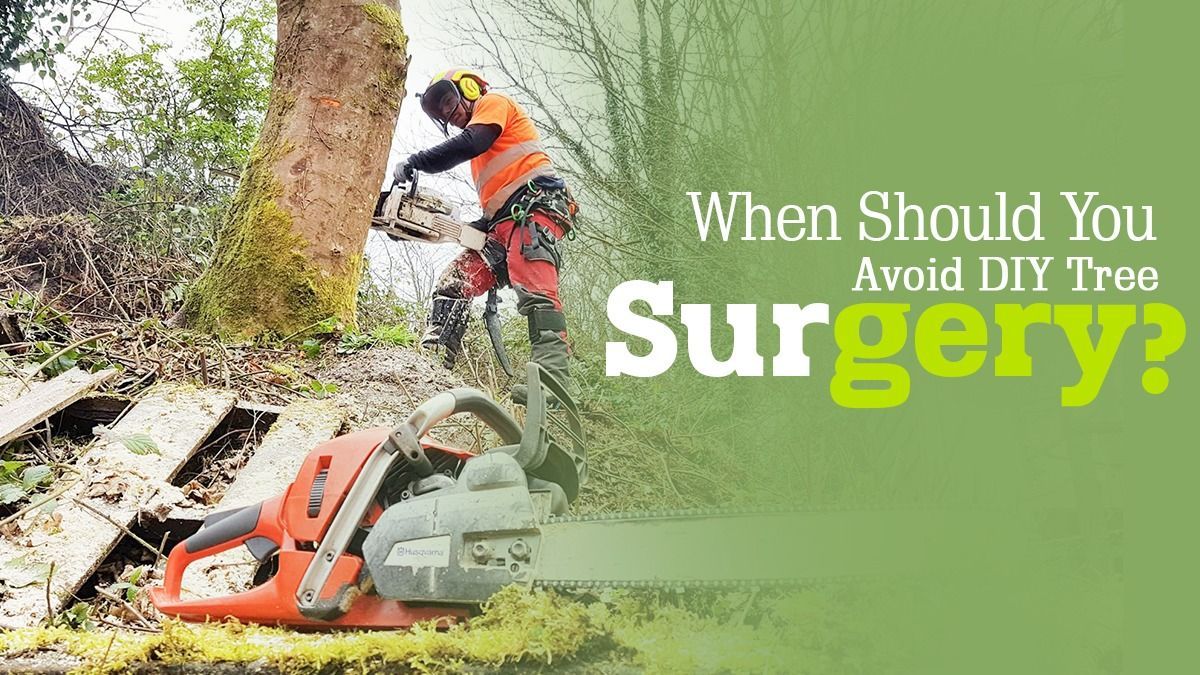
- Necessary Tools & Gear: High-powered felling chainsaws, wedges and a sledgehammer. Also, another thing is important- the condition of the tools and other allied gear. If they are not kept in proper condition, Problems may come up in the field during work. The expert arborists usually don't make these mistakes.
- Preparation: The team studies the lean, wind direction and trunk tension. Then an escape path is cleared at 45 degrees away from the fall line. Proper geometric calculations are made to assess the tree's direction of fall. This ensures that the work is carried out safely. Such prior assessments should be performed by trained and qualified arborists.
- Cutting & Removal Procedure: In an open area, a tall leaning tree can come down in one piece. To do that, pros cut a Humboldt notch, with the apex pointing downward, facing the drop zone. The back-cut sits slightly higher than the notch apex and leaves an even hinge of live wood. That hinge works like a steering wheel and guides the trunk along the planned path.
Technique 4: Tension-Release Cutting for Back-Leaning Spars
- Tools Needed: Chainsaws, mechanical winches and steel tension cables.
- Preparation: There may be excessive fibre tension in bent trees, with compression wood on one side of the tree while tensile stress exists in the other. As a measure against the backward pull of the tree, the team mounts a winching arrangement on the top of the trunk.
- Cutting & Removing Process: Arborists perform bore cuts (pocket cuts) to separate the heartwood from the rest while maintaining the outside hinge. The tree winches while the internal pressure is gradually released. This prevents violent separation of the trunk towards the operator.
Technique 5: Dismantling with Crane Support for Restricted-Access Giants
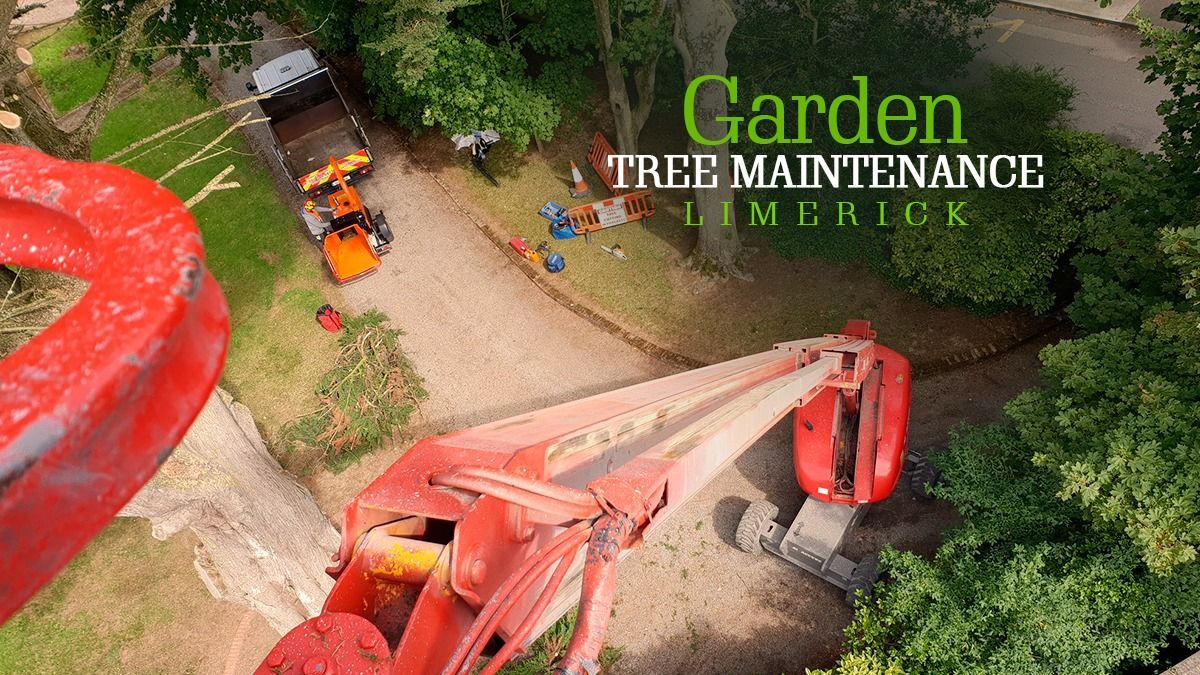
- Tools Needed: Hydraulic mobile crane, rigging slings, communication headsets and heavy-duty chainsaws.
- Preparation: The crane sits on reinforced ground pads. Riggers confirm lift capacity and the weight of each upper section with the operator.
- Cutting & Removal Procedure: Before any cut, the crane grabs the upper section. A choker cable is used for that purpose. Next, the arborist makes an undercut and a back-cut. The piece stays hanging from the crane once it is free. Then the crane swings it to an open spot for final log cutting.
Safe Tree Cutting: Warning Signs and Hiring Tips
Precise tree cutting in Limerick keeps your house, fences and power lines safe. It also cuts down on lawn damage, splintered trunks and messy debris. When the method fits the tree, the whole job stays under control from the first cut to the final cleanup.
When to Call a Professional
A quick assessment is worth it if you spot any of these signs:
- A trunk with a heavy or worsening lean.
- Deadwood high in the crown.
- Fungal brackets near the base.
- Storm damage or split limbs.
- A tall tree close to buildings, fences or power lines.
What to Check Before You Hire
- Certification and insurance: Qualified staff with complete liability insurance are required.
- Knowledge of technique: The competent arborist will be able to tell you why and how to use the particular method for your tree, whether it is sectional rigging, directional felling, or crane use.
- Equipment: Professional rigging equipment and a winch are important, and crane access is needed for the most difficult cases.
- Disposal: Proper disposal of the wood and debris is needed.
Conclusion: Expert Tree Cutting Backed by Proven Techniques
Difficult trees need more than a saw. They need the right method, the right rigging, and a sharp eye for every cut. Tree Surgeons & Pro Gardening utilises these professional techniques for each job. These include tension release cuts on bent branches, crown reduction, and sectional felling.
As an experienced tree care company in Limerick, our qualified professionals will give you safe, timely, and well-thought-out services. It may only take a short conversation to turn that big, leaning, or hazardous tree into a non-issue.
Call us soon and be free of tension- we will manage everything.