Know What to Check Before Calling an Arborist: A Practical Guide for Tree Care
Every homeowner with significant trees around their yard should know how to assess issues before reaching out for help. Whether you’re unsure if a leaning branch is dangerous, or if a tree needs pruning or removal, understanding when to consult an Arborist in Limerick and recognising the key warning signs can help you communicate clearly and confidently with a professional when the time comes.
In this guide, we will discuss what tree care entails, how to identify structural and safety concerns, and what qualifications and safety standards to consider when hiring experts. These detailed topics help you make a calm, informed decision about your trees and answer practical questions before giving them the final call.
Assessing tree health, structural integrity, hazards, and knowing the basic tree care vocabulary helps you avoid unnecessary work and focus on what’s actually needed on your property. Continue reading to build a better insight and make an informed decision.
What Should You Look at Before You Give Them a Call?
Do you know what to inspect on your own trees before contacting a professional? Start with a close visual check. Walk around each tree and inspect the main trunk for deep cracks, fungus growth, or cavities that might weaken the tree. Notice the canopy: excessively drooping or broken branches, or areas where limbs are rubbing together, can indicate stress and potential risk. Also, check the roots—raised soil or buckling pavement can be a sign of root issues. By doing this, you can take notes on what you see and share more accurate details when you speak to a tree care expert.
Also, keep a record of any changes in the ground around trees, such as soil heaving or water pooling, which can influence stability. Most arborists appreciate clear descriptions, photos, and any observations that help them prepare for a visit.
Times When Tree Problems Really Need Professional Help
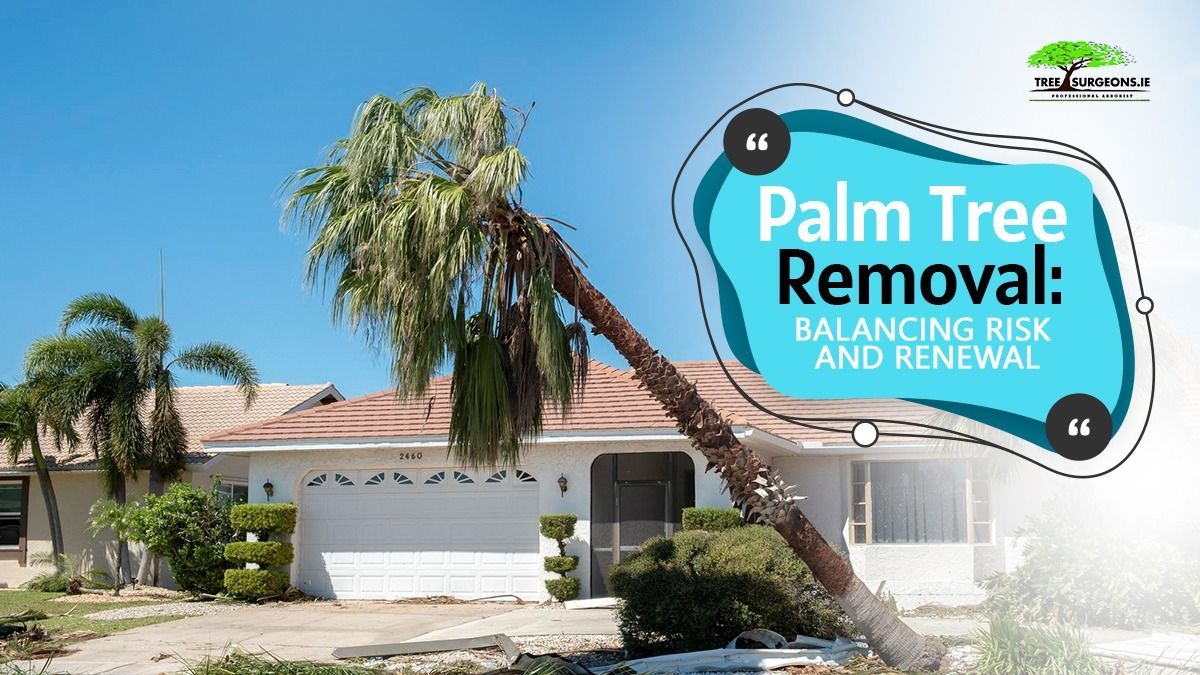
Not all tree issues require expert intervention, but some signs are hard to disregard. If a tree is leaning conspicuously toward your home or a neighbour’s property, or if large limbs are visibly weak or splitting, these situations often require trained attention. Trees that show significant fungal growth or rot can be compromised internally, posing a danger of limb failure. Likewise, storm damage, especially after heavy winds or rain, can leave branches unstable or hanging dangerously—these scenarios are serious safety concerns.
Tree professionals also handle cases where roots are encroaching on driveways, underground pipes, or foundations. Spotting these kinds of problems early helps you prioritise what needs immediate action versus what can wait or be monitored.
Why Does Professional Training and Equipment Matter?
Understanding what qualifications and safety standards your tree care provider holds is crucial. Professional teams of Arborists in Limerick bring certified expertise—many arborists are trained with recognised qualifications such as NPTC awards, which cover chainsaw safety, tree climbing, rigging, and pruning methods that meet industry standards. Their team works with certified equipment and follows safety protocols for both personnel and property.
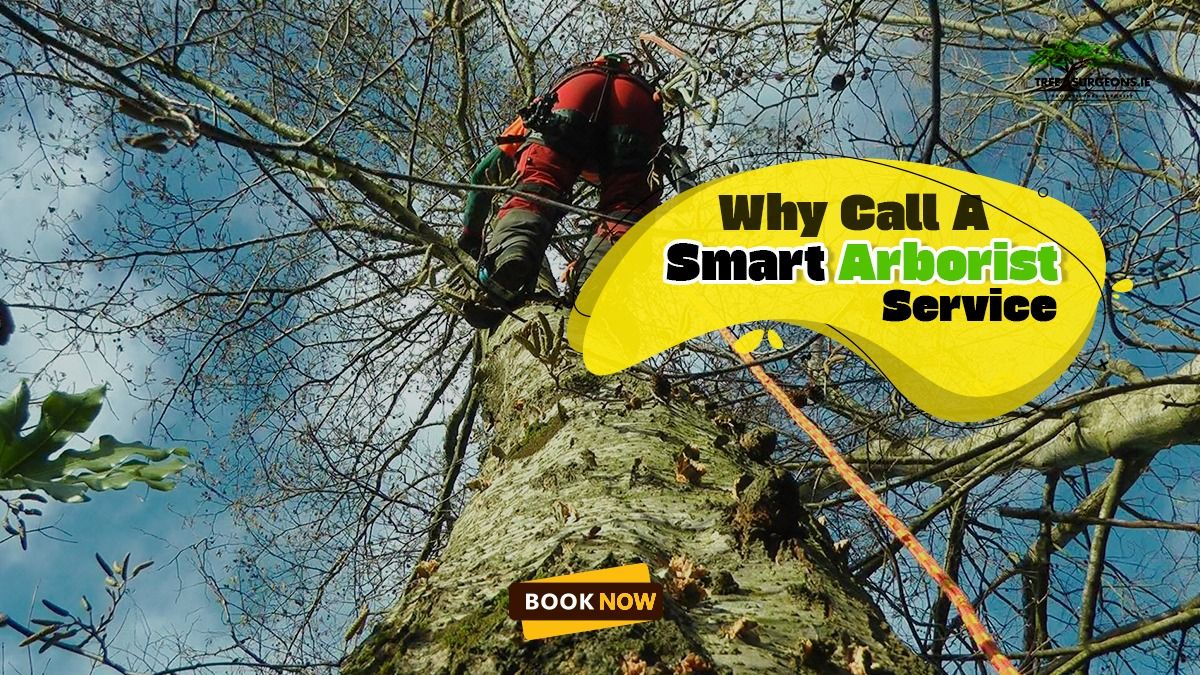
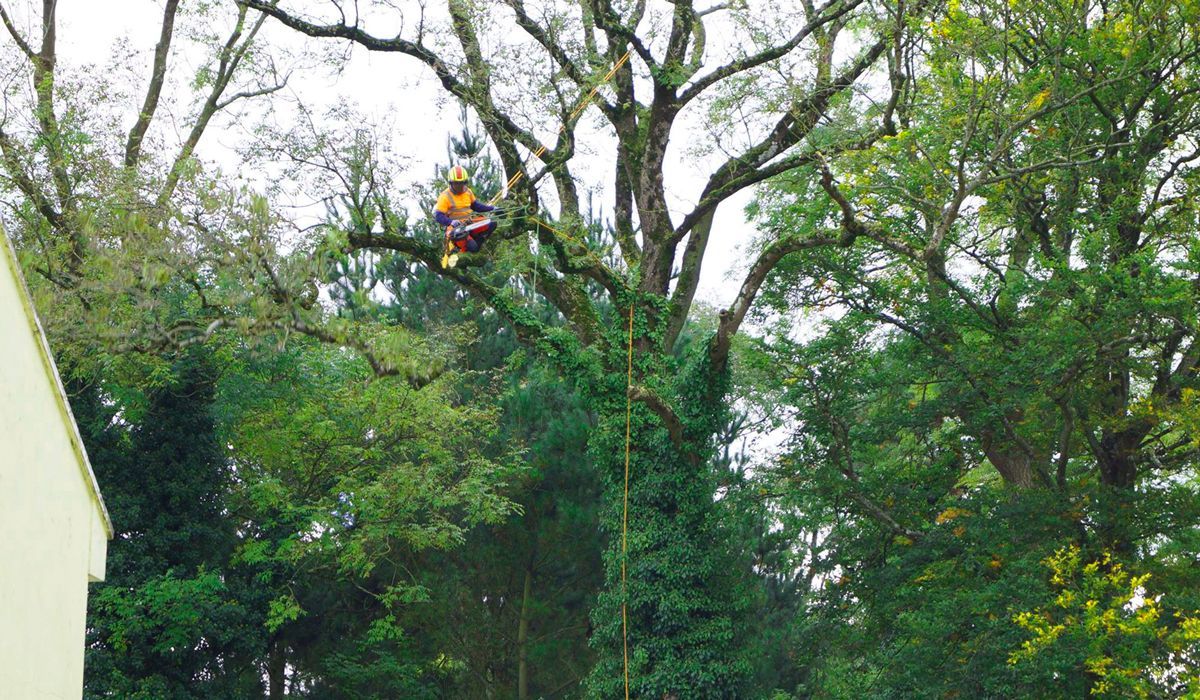
Professional tree care isn’t just about cutting branches; it’s about assessing tree health, anticipating hazards, and executing work safely at height using correct rope techniques. Trained arborists carry insurance, use protective gear like helmets and harnesses, and apply systematic risk assessments to every job.
The Most Common Tree Care Tasks and Why They Are Important
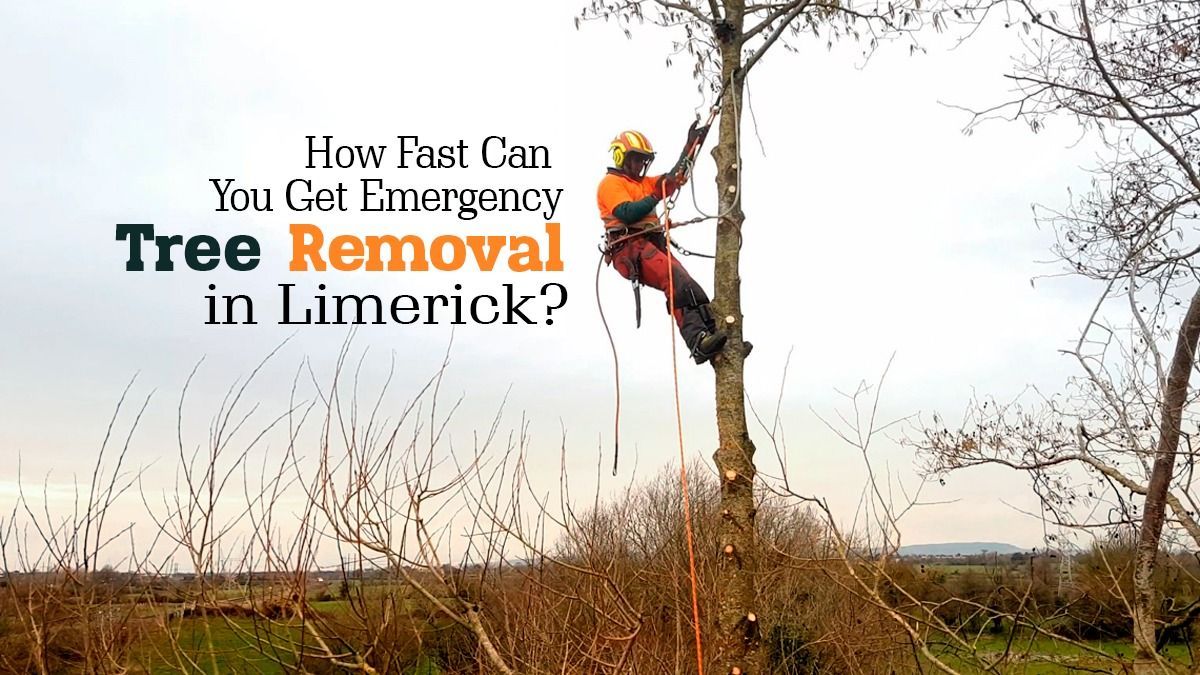
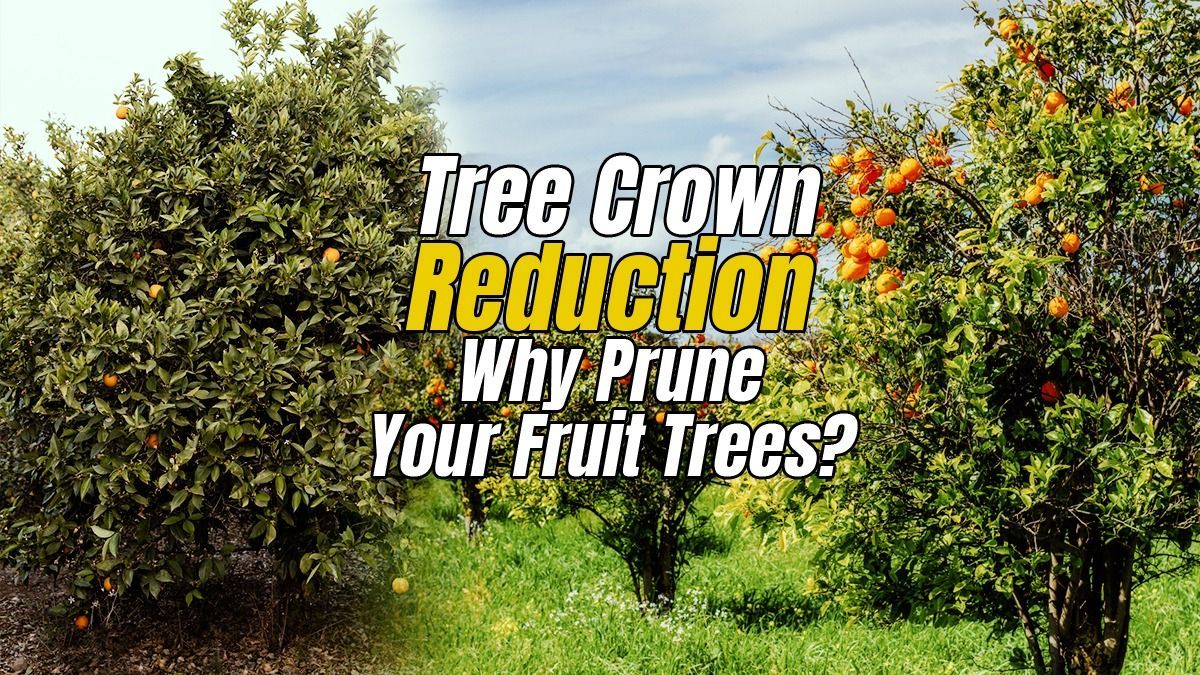
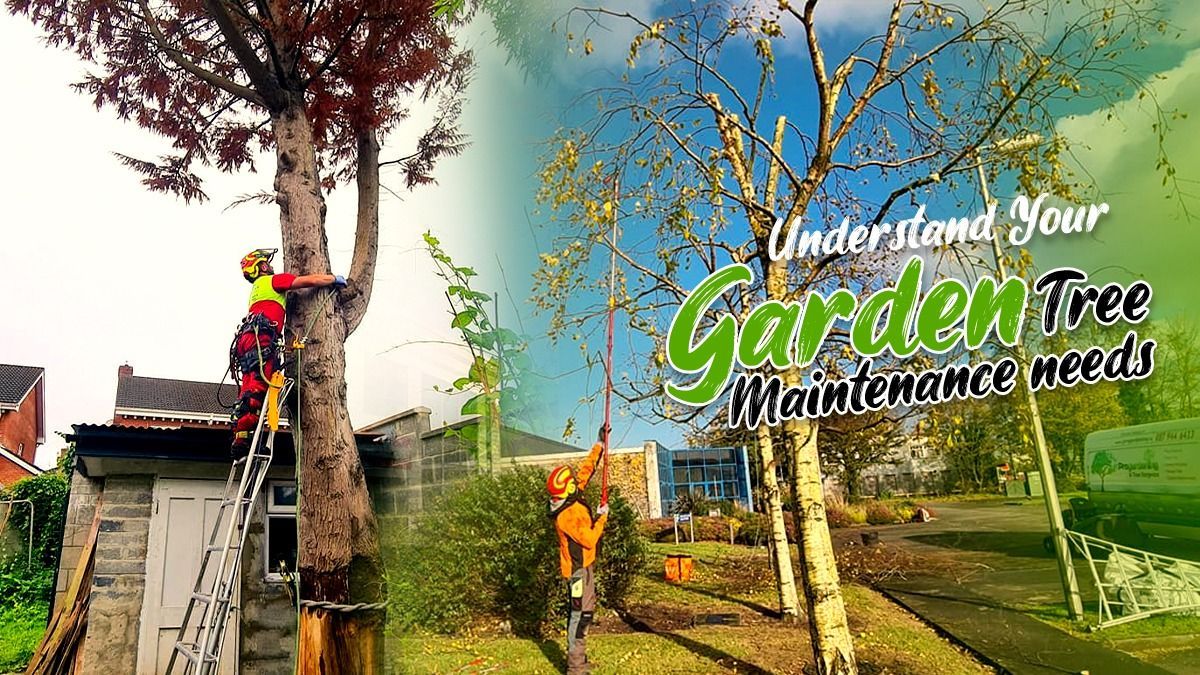
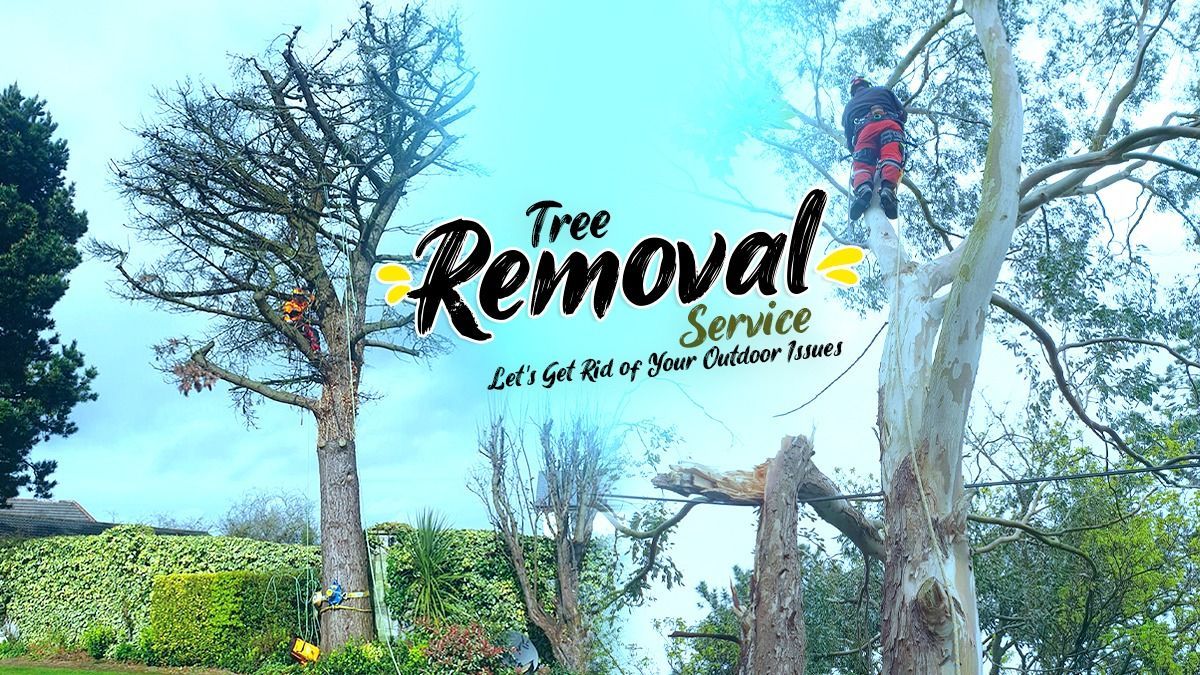
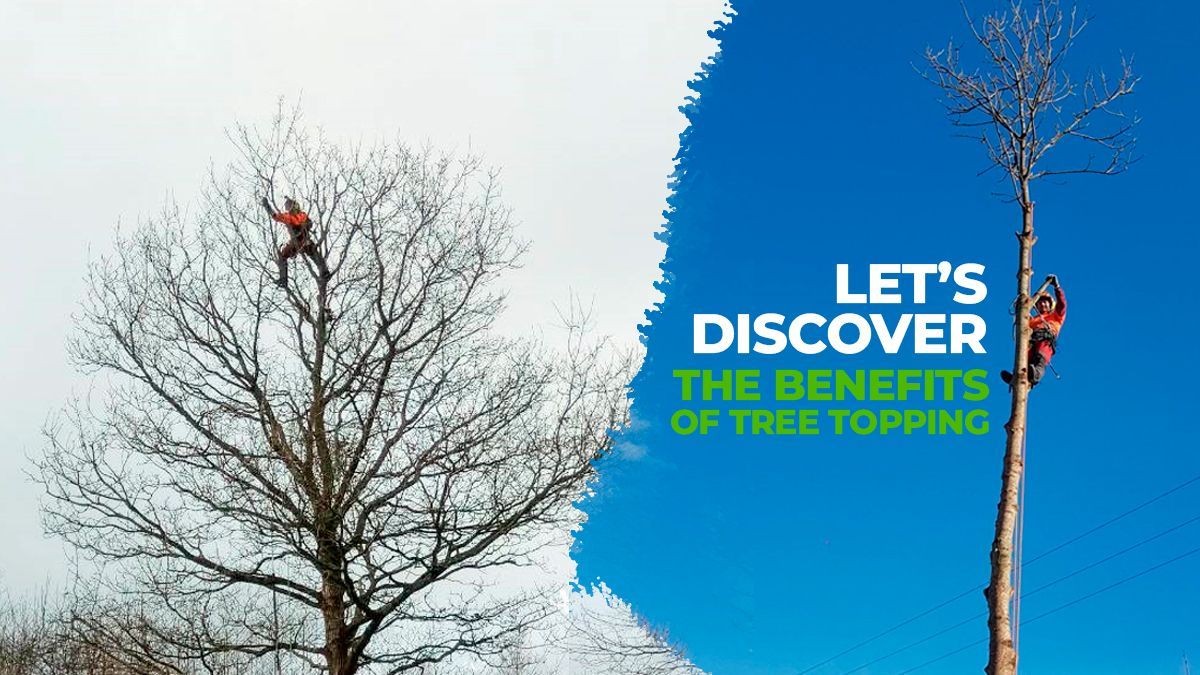
Understanding the most common tree work helps you decide what service might be needed before you call. Many tree professionals perform pruning to remove deadwood and shape the canopy for better airflow and sunlight penetration. Crown reduction and thinning reduce load on major limbs and can prevent breakage during storms. Stump grinding eliminates leftover stumps that can attract pests or trip hazards. Tree removal techniques vary—some trees can be felled easily if there's open space, but in tight areas, specialists use rope systems to take down trees piece by piece to protect nearby structures.
Knowing the terminology helps you describe the issue and understand the recommendations your arborist makes. For instance, distinguishing between a simple pruning job and a full removal can make a big difference in how quickly help is dispatched.
How Can You Tell If a Tree Is Diseased or Structurally Unsound?
Trees can show subtle and obvious symptoms of decline. Brown or brittle leaves outside normal seasonal changes, unusual fungal growth on bark or around the base, and sudden dieback in sections of the tree can all suggest disease. Structural weaknesses like cracks in the trunk, hollowed sections, or bark splitting during wet periods are often signs of internal decay. Roots that have heaved walkways, or soil that’s eroded around the base, might indicate instability below ground.
Keeping footage of these signs and sharing them when you consult an expert helps clarify whether the situation is a maintenance issue or something that could pose danger.
Some Critical Risks of Trying Tree Work Yourself?
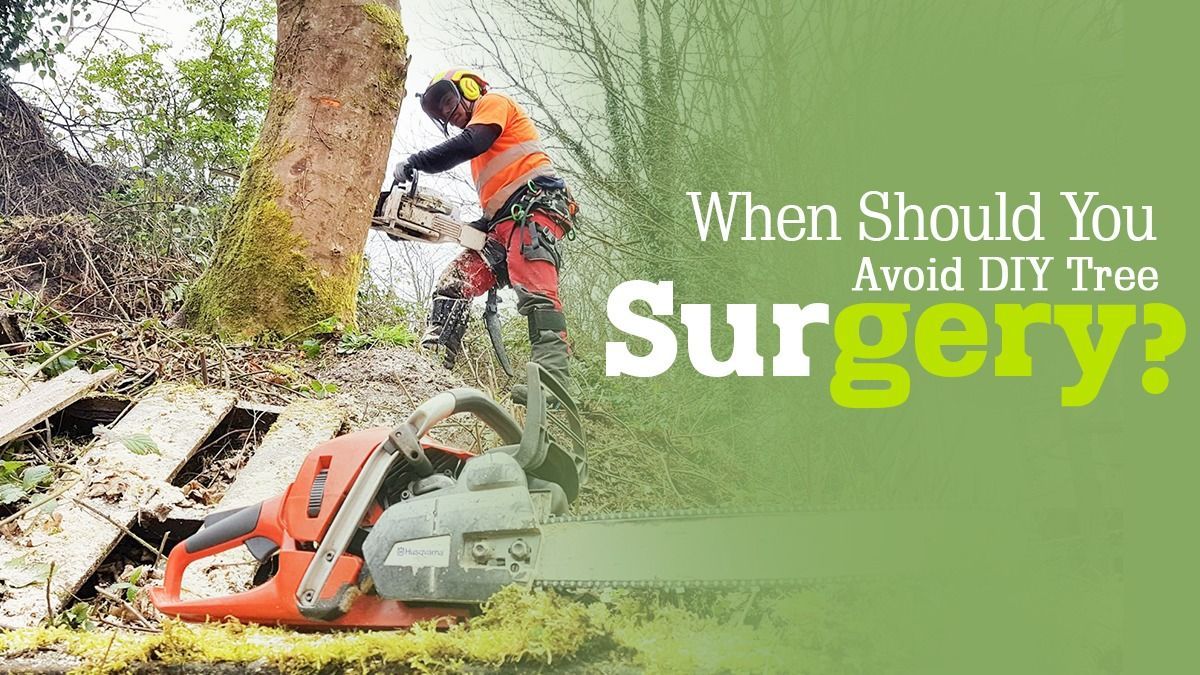
Many people assume pruning or cutting a limb is straightforward, but inexperienced work can cause more harm than good. Incorrect cuts can expose the tree to disease, weaken its structure, and lead to curling or erratic regrowth. Climbing trees without the right safety gear and expertise risks serious injury.
Professional tree services use rigging, harnesses, protective gear, and experienced techniques that keep them safe and your property intact. Even seemingly small tasks like stump grinding require specialised machinery and protective measures to avoid injuries or damage to underground lines.
6 Crucial Things to Consider for Choosing the Best Company
When you decide to call in the team of Tree Surgeons in Limerick, you should not overlook the most important things given below.
- Certifications and Training: Look for professional qualifications that demonstrate formal arboriculture training.
- Insurance and Safety Protocols: Verified insurance coverage and strict safety standards give peace of mind.
- Experience and Local Knowledge: A team familiar with local tree species and seasonal conditions often provides better care.
- Service Range: Extensive services—from pruning and removal to stump grinding—mean one provider can support all your needs.
- Customer Reviews: Reputation and testimonials help confirm consistency and quality of work.
- Equipment Quality: Use of certified ropes, climbing gear, and cutting tools ensures efficient, safe tree care.
This checklist strategically helps narrow down companies that meet the real criteria you can trust for your property's tree care needs.
Our Final Recommendation for One of the Most Reliable Arborists
When you’ve done a preliminary assessment and are ready for professional guidance, a reliable team will stand ready to assist with qualified, safe, and comprehensive tree care. If you notice concerning signs or aren’t sure whether a tree issue requires expert attention, don’t hesitate to seek an informed inspection.
In this regard, you should consult a good Arborist in the Limerick area. And if you depend on our Tree Surgeons & Pro Gardening team, it will be the best decision for safety with confidence. We promptly offer expert assessments and professional tree care solutions tailored to your landscape’s needs. With professionally trained expert arborists and proper equipment, they help ensure your trees remain healthy, safe, and well-maintained.
Contact soon, and do not compromise your tree, people's lives, and nearby structures.