Top 17 Myths About Tree Removal Debunked
Do you know- why do so many Limerick homeowners hesitate when deciding whether a tree truly needs professional attention? What assumptions or misconceptions are shaping these decisions, and how do local regulations, weather conditions, and safety risks complicate the process? Asking these questions helps reveal why understanding the facts behind tree removal is so important before taking action.
Many homeowners feel unsure about when a tree actually needs professional attention. Making decisions around tree removal in Limerick often becomes confusing because of long-standing beliefs that aren’t always based on facts. Irish weather patterns, council rules, and safety considerations all play a major role in what’s safe and what’s not – which is why understanding the truth behind common assumptions is essential.
This piece of writing explains the real issues behind tree removal, focuses on safety, legality, environmental concerns, and the role of professionals. We’ll also cover equipment needs, the difference between cutting and removal, long-term risks, and overall property protection, helping you make a well-informed decision for your home at the end of the day.
What Are the Top Misunderstandings About Tree Removal?
Many Irish property owners rely on long-held assumptions that don’t reflect how tree care actually works. Below are ten of the most common myths and the truth behind them:
Myth 1: Any tree can be removed without permission.
- Truth: Some trees in Ireland are protected by local councils. You may need approval before removing them.
Myth 2: Overhanging branches are yours to cut freely.
- Truth: Even if branches hang over your garden, they belong to your neighbour. Always discuss before trimming.
Myth 3: Only dead trees need removal.
- Truth: Healthy-looking trees can still be unsafe due to root damage, internal decay, or disease.
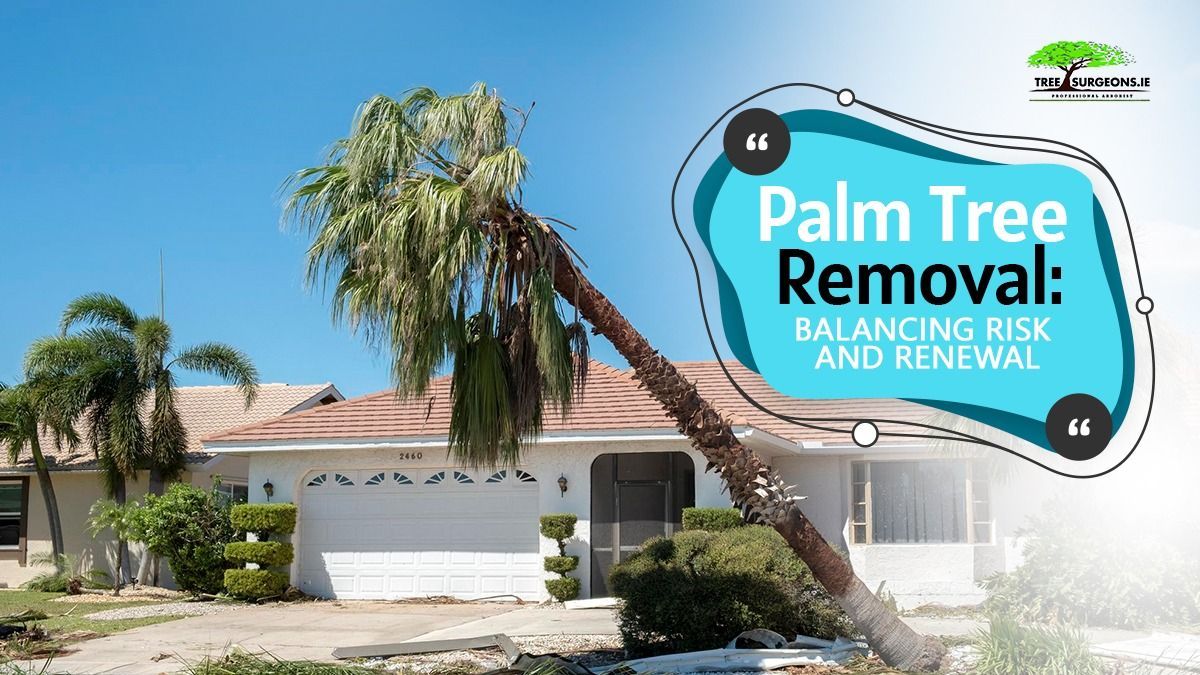
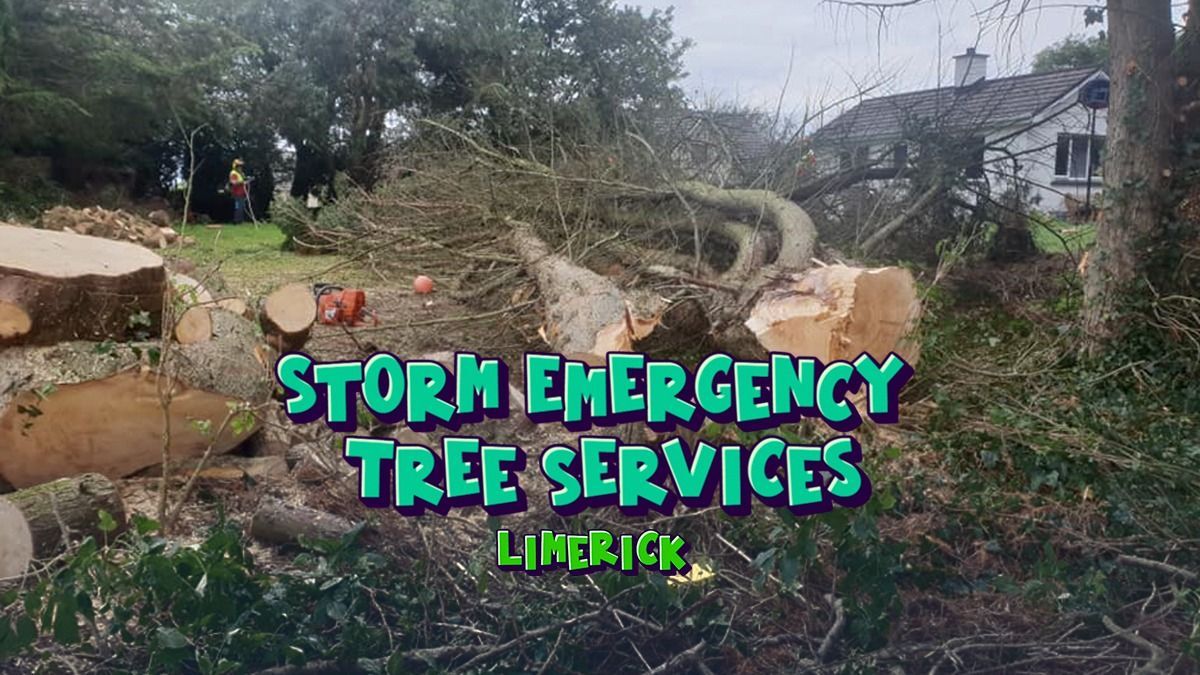
Myth 4: Storm-damaged trees must always be removed.
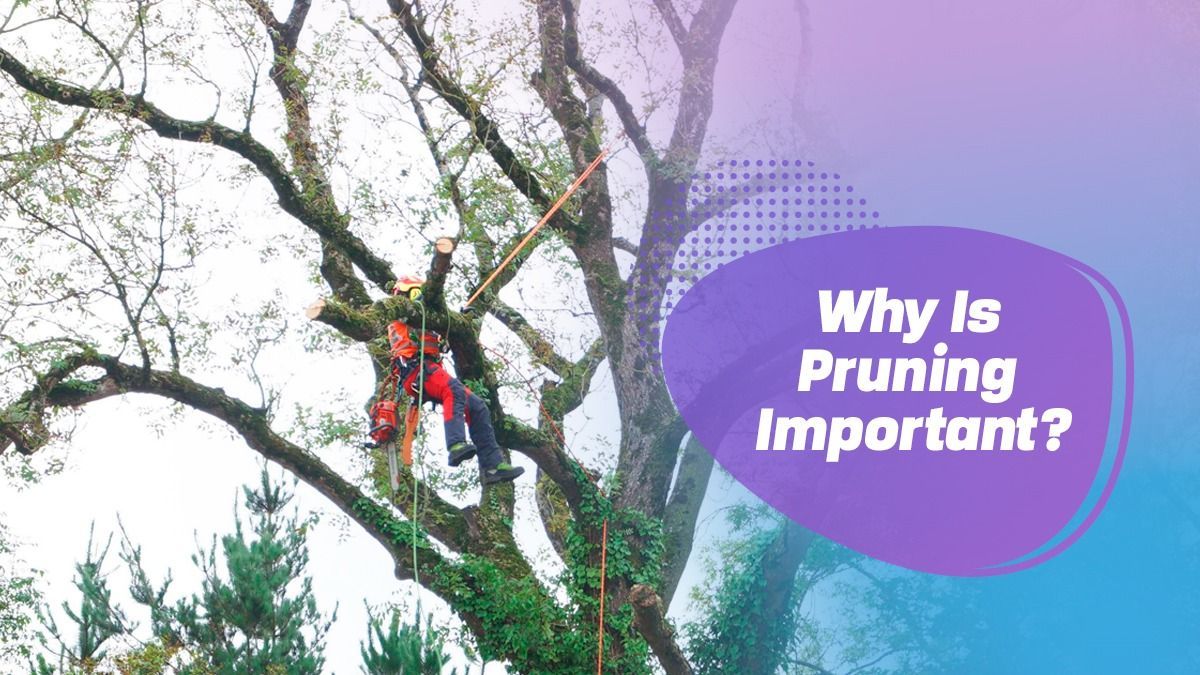
- Truth: Many trees can be saved with professional pruning to fix broken or weak branches.
Myth 5: Tree roots always damage foundations.
- Truth: Most Irish trees have non-aggressive roots. Problems only occur if the tree is very close to soil-sensitive structures.
Myth 6: Topping a tree stops its growth.
- Truth: Topping actually creates weak new branches and makes the tree more likely to break later.
Myth 7: Stump removal doesn’t matter.
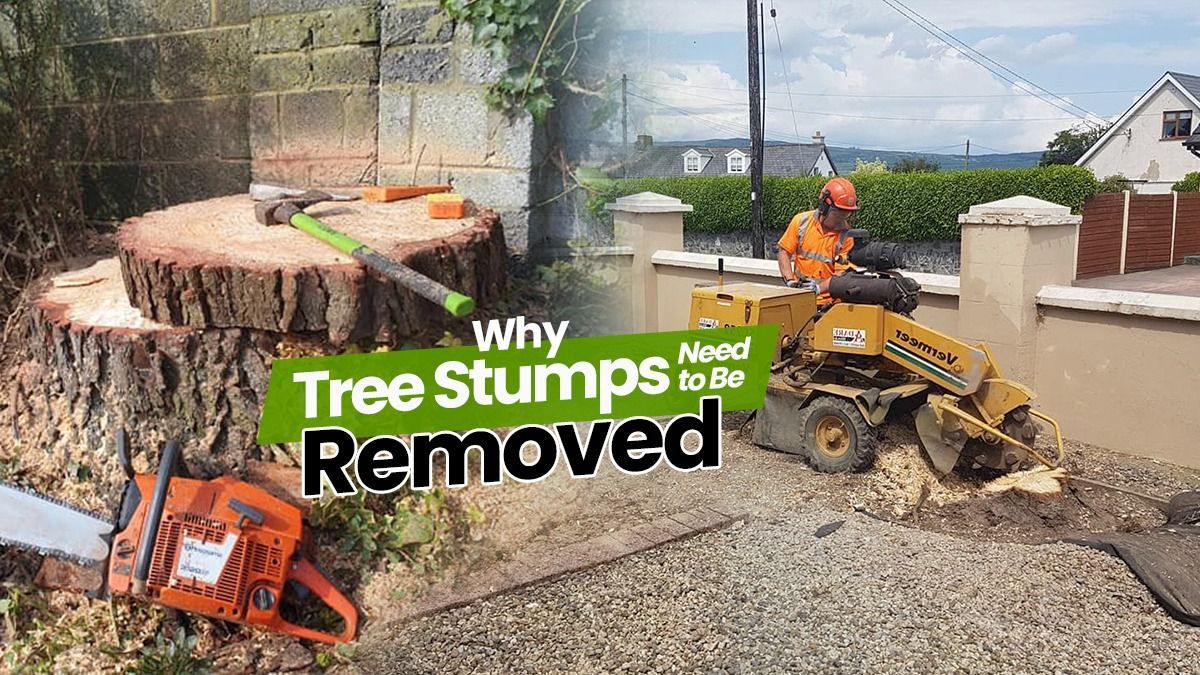
- Truth: Leftover stumps can attract pests, rot, or even grow new shoots. Proper removal or grinding is safer.
Myth 8: Tree Cutting in Limerick is easy with basic tools.
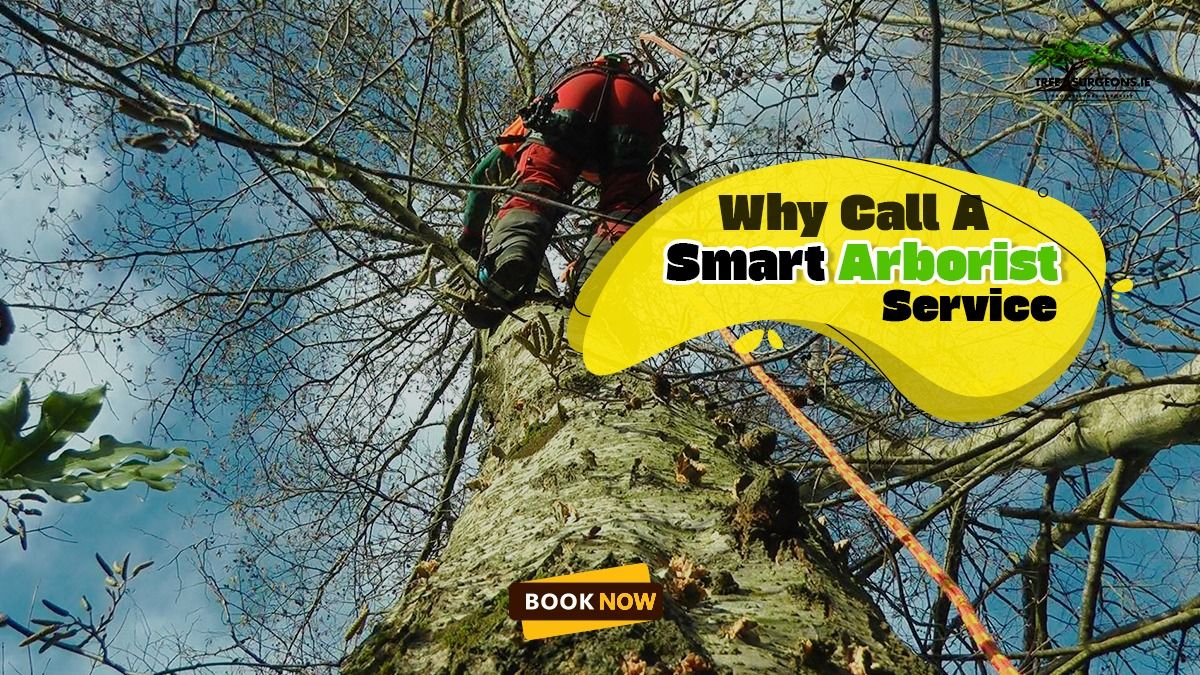
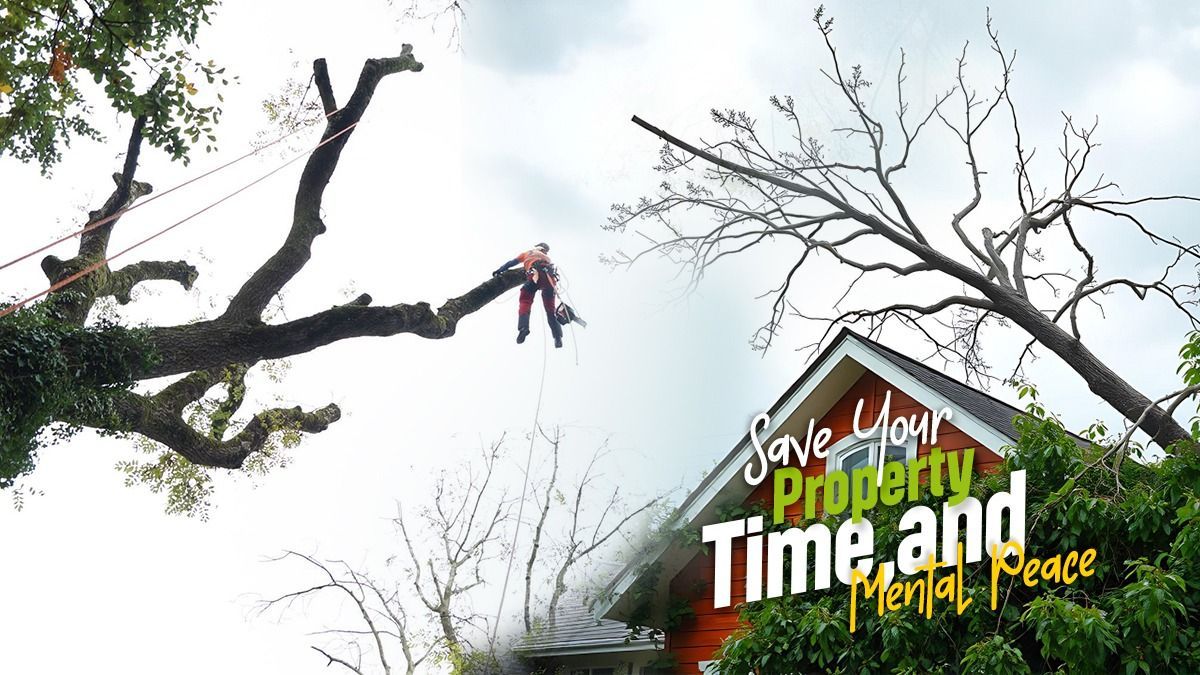
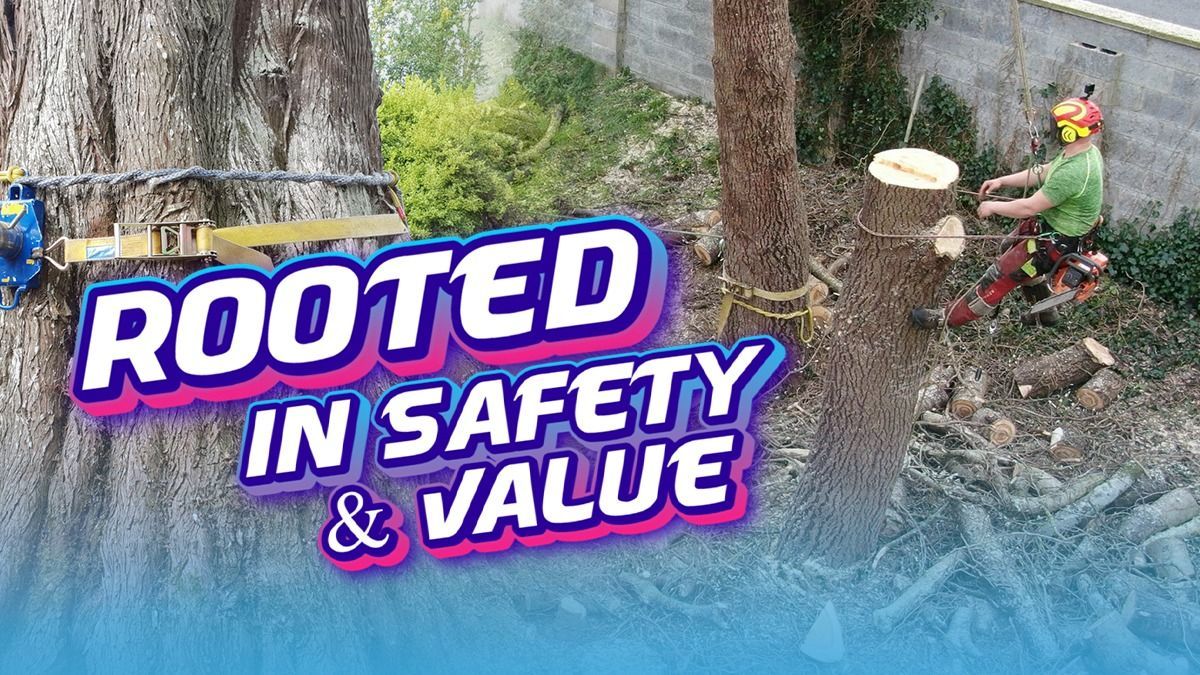
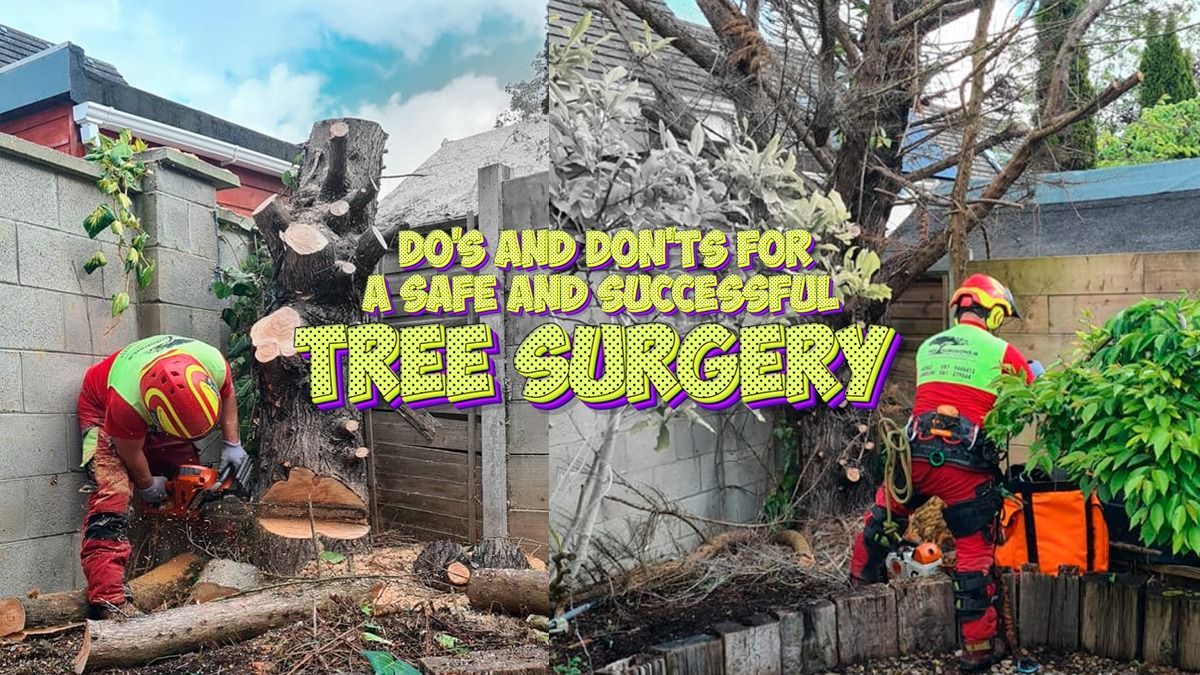
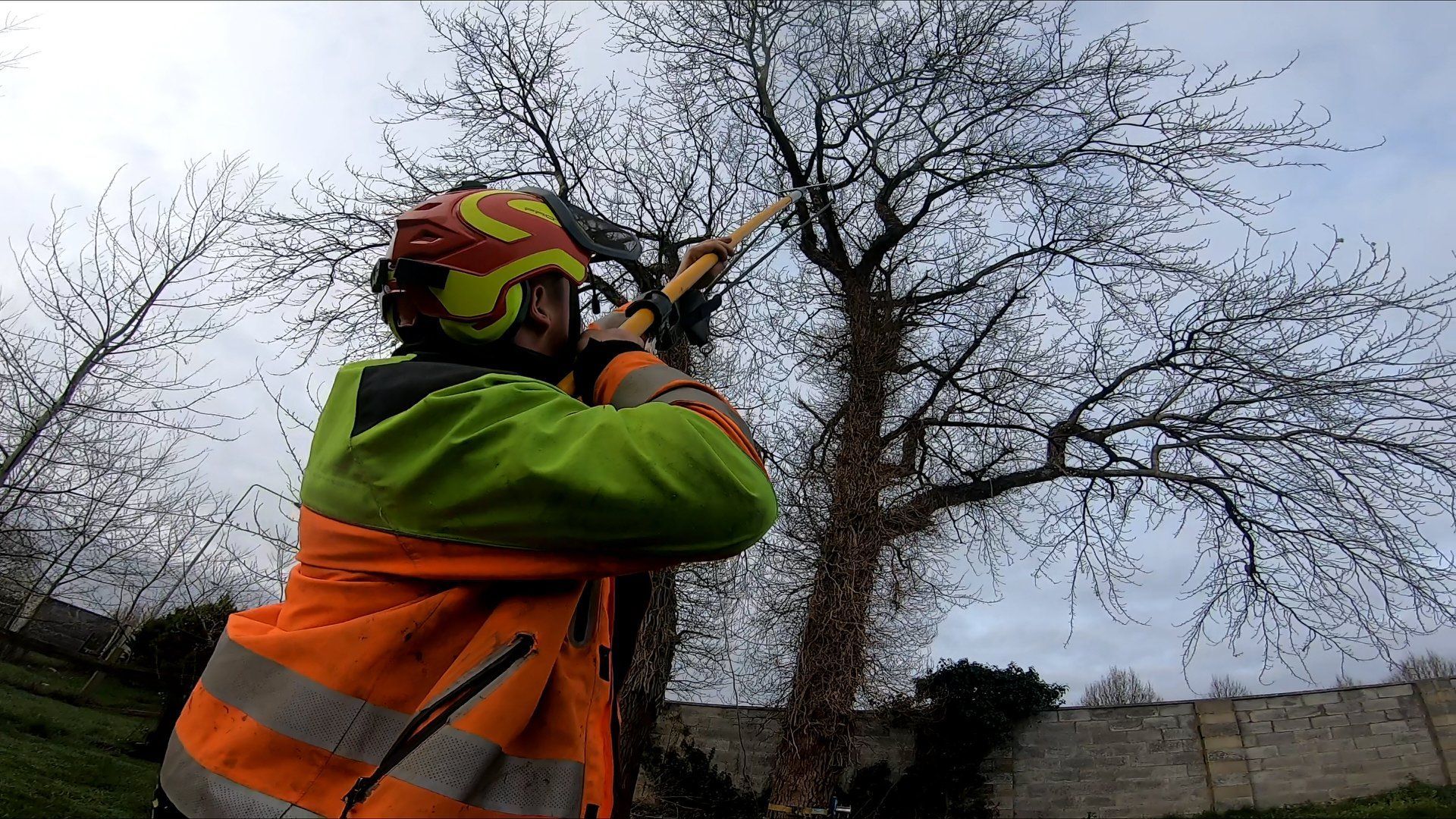
- Truth: Tight gardens and Irish wind make tree cutting risky. Professionals use ropes and special gear for safety.
Myth 9: All tree removal jobs cost the same.
- Truth: Costs vary depending on tree size, location, species, and how difficult it is to remove safely.
Myth 10: Anyone with a chainsaw can safely remove a tree.
- Truth: Tree removal needs training, safety gear, and careful planning. DIY attempts can be dangerous and cause damage.
Myth 11: Tree removal is always bad for the environment.
- Truth: Removing dead, diseased, or dangerous trees protects other plants and wildlife and makes room for new growth.
Myth 12: Ivy kills trees.
- Truth: Ivy usually climbs on already weak trees. It doesn’t take nutrients from healthy trees.
Myth 13: Tree surgery is just cutting down trees.
- Truth: Tree surgery includes pruning, shaping, and treating disease. Removing a tree is the last option.
Myth 14: You can safely DIY tree removal.
- Truth: Tree work is risky. Professionals prevent injury and long-term damage with proper skills and safety systems.
Myth 15: Filling tree cavities is good.
- Truth: Concrete or tar fills trap moisture and cause decay, harming the tree.
Myth 16: Stump removal uses harsh chemicals.
- Truth: Professionals usually grind stumps in an eco-friendly way without chemicals.
Myth 17: Pruning is only for the winter season.
- Truth: The right pruning time depends on tree type and purpose. Some need pruning in the dormant season, others in the growing season.
Whether a Tree Needs Pruning or Full Removal: How to Decide?
Not every problematic tree should be removed. In many cases, pruning, thinning, or crown reduction offers a safer, more environmentally friendly solution. Arborists assess structural stability, root condition, overhangs, and storm vulnerability before advising removal. This protects your property while preserving healthy trees when possible.
What Should You Expect After a Professional Tree Removal?
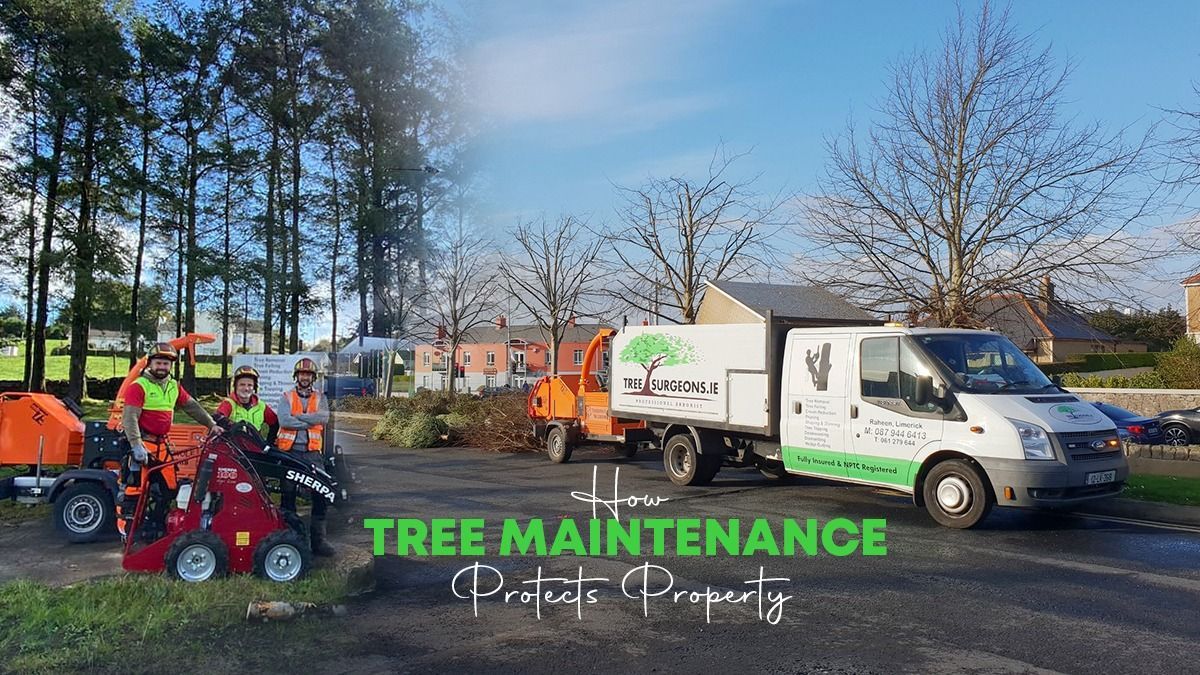
After the tree is taken down, the site is made safe and tidy. Professionals handle waste, cut logs into manageable sections, and remove or grind the stump if requested. This leaves the space ready for new planting, landscaping, or construction. Proper cleanup also prevents pests, trip hazards, and regrowth issues.
Things To Consider Before Choosing a Tree Surgeon Company
When choosing a tree care service, look for essential indicators of reliability and professionalism. These ensure your property stays safe and your job is completed the first time properly.
- Certified arborists with proper insurance
- Experience handling high-risk or tight-access removals
- Professional climbing and rigging equipment
- Transparent pricing and included cleanup
- Options for stump grinding and waste disposal
- Knowledge of Irish council regulations
- Clear communication and written assessments
These factors help you select a company that aligns with safety, quality, and accountability.
Ultimate Support for Your Tree Concerns
unsure whether a tree on your property needs urgent attention or simply wants accurate guidance for safe tree removal in Limerick? Do not worry! We are experienced enough to check out the level of efficiency of different tree-cutting companies. At this point, we can give you a better name in the industry.
Just reach out to Tree Surgeons & Pro Gardening. Their trained Irish team provides clear advice, professional service, and safe solutions grounded in experience. Contact them soon to get trustworthy help with your tree care needs.