Tree Cutting Safety 101! Tools, Techniques & What Not to Do
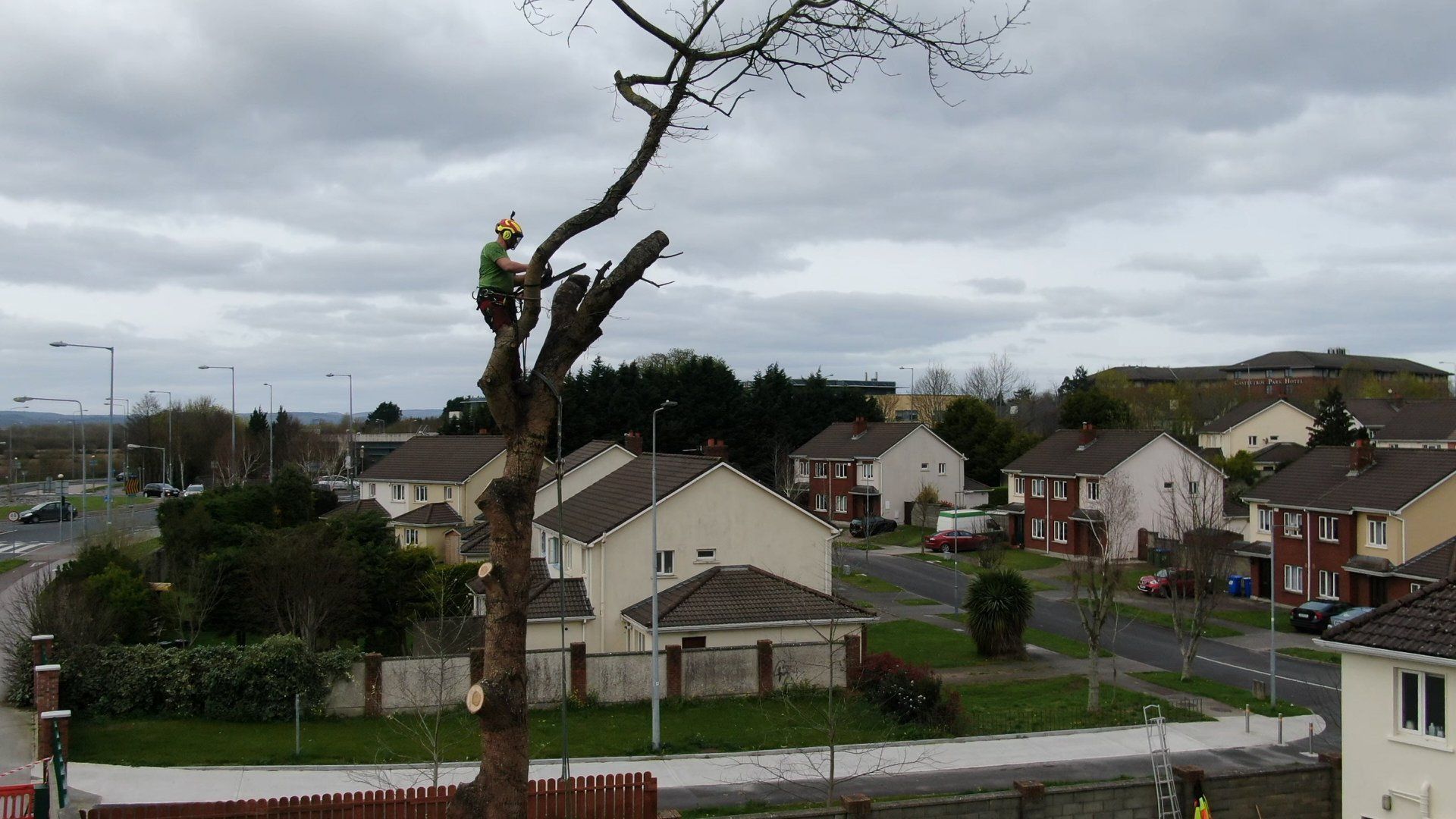
When it comes to managing trees at home or on a property, safety should always be the priority—especially for those who value safe and dependable tree cutting in Limerick. Tree work can involve heights, heavy equipment, unpredictable wood behaviour, and structural risks that require thoughtful planning.
Continue reading this blog as it will focus on core safety principles, essential gear, professional techniques, and practical steps anyone should understand before attempting any form of cutting, pruning, or removal. Whether you’re dealing with storm damage, dense canopies, or simply routine garden care, these insights will help you make more informed and responsible decisions for safer results.
The Foundation of Safe Tree Cutting
Tree cutting safety begins long before a saw touches wood. Understanding risks, evaluating the environment, and preparing properly all work together to create safer outcomes for both people and property.
Tree assessment — safety begins with inspection
A thorough inspection identifies issues such as decay, dead limbs, weakened roots, and storm damage. Each condition affects how a tree behaves when cut. Evaluating lean, crown density, height, and nearby structures supports safer planning and reduces unexpected movement during the cut.
Technique selection — match the method to the site
Different cutting situations call for other techniques. Directional felling, hinge cuts, and sectional dismantling each offer controlled outcomes when used appropriately. The choice depends on space restrictions, tree health, and safe fall zones.
Climbing and access safety — rope systems as controlled support
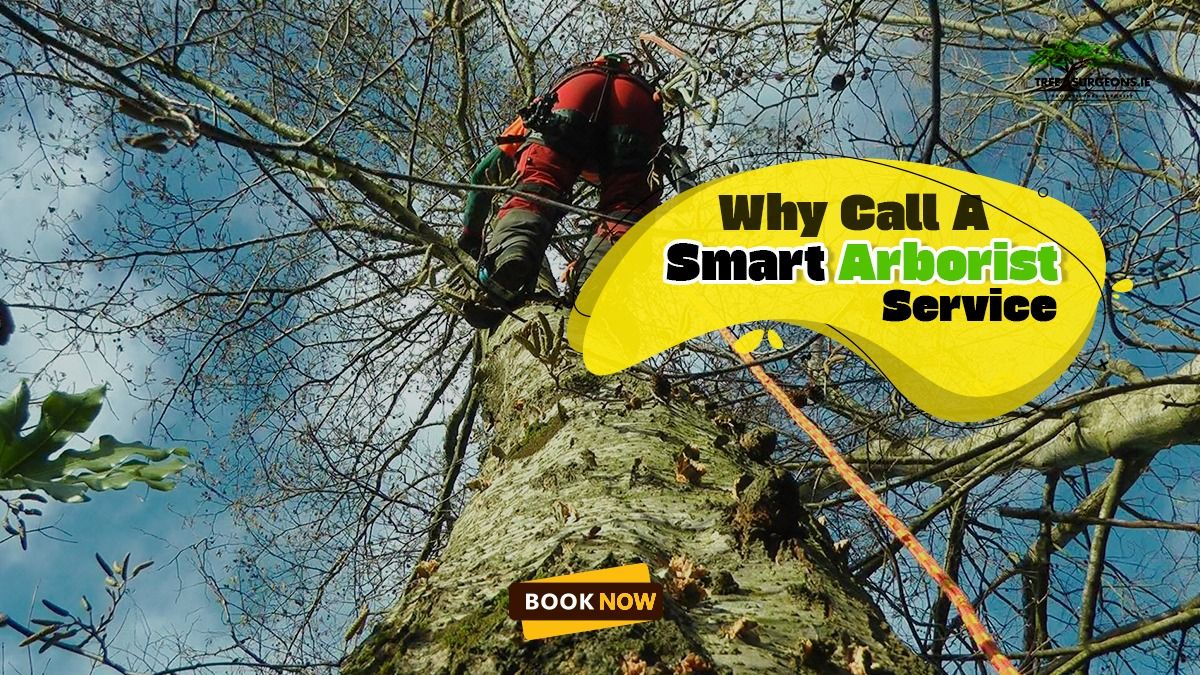
In confined gardens or areas close to homes, climbing with rope systems is often necessary. Professional climbing gear with CE and LOLER certifications supports secure movement among branches while maintaining stability and communication.
Environmental awareness — balance nature and safety
Wind, slope, nearby buildings, overhead lines, and soil conditions all influence safety. Identifying environmental hazards allows for proper planning and the selection of suitable equipment or alternative cutting strategies.
Specialised Equipment That Enhances Safety
Safety isn’t possible without the right tools. From certified climbing equipment to mechanical aids, each tool plays a role in preventing accidents.
Chainsaws and cutting tools
A well-maintained chainsaw with a functioning brake, sharp chain, and selected bar length provides greater control and reduces kickback risk. Regular inspection of filters, tension, and lubrication is key to consistent performance.
Certified helmets and protective gear
Impact-resistant helmets, face shields, and protective clothing help safeguard against falling debris and accidental contact. Professional teams often use communication-enabled helmets for better coordination during climbing or sectional removal.
Rope systems for safe lowering
Heavy-duty ropes and friction devices support controlled lowering of branches, helping avoid damage to surrounding areas. When cutting near structures, trees are often removed piece by piece with ropes securing each section.
Cranes and hoists for dangerous trees
Some trees are too compromised to climb safely due to decay or instability. Cranes or hoists make it possible to lift and remove sections without risking collapse. These methods protect both workers and nearby structures, especially in tight or complex environments.
When Professional Help Becomes Necessary
Even with understanding and preparation, some tree situations exceed the limits of DIY safety. Complex conditions require advanced training, certified equipment, and coordinated teamwork.
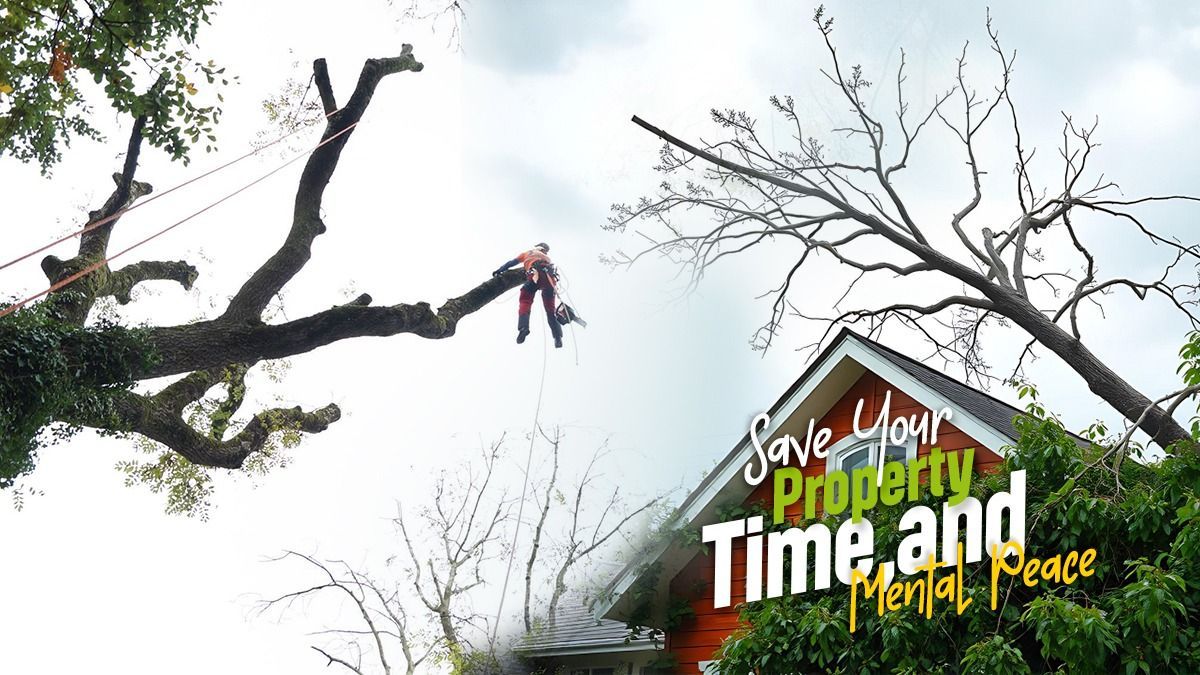
- Confined or challenging locations: Trees growing near roofs, walls, sheds, or power lines need carefully planned removal strategies. Rope-assisted sectional dismantling is typically the safest method in these areas.
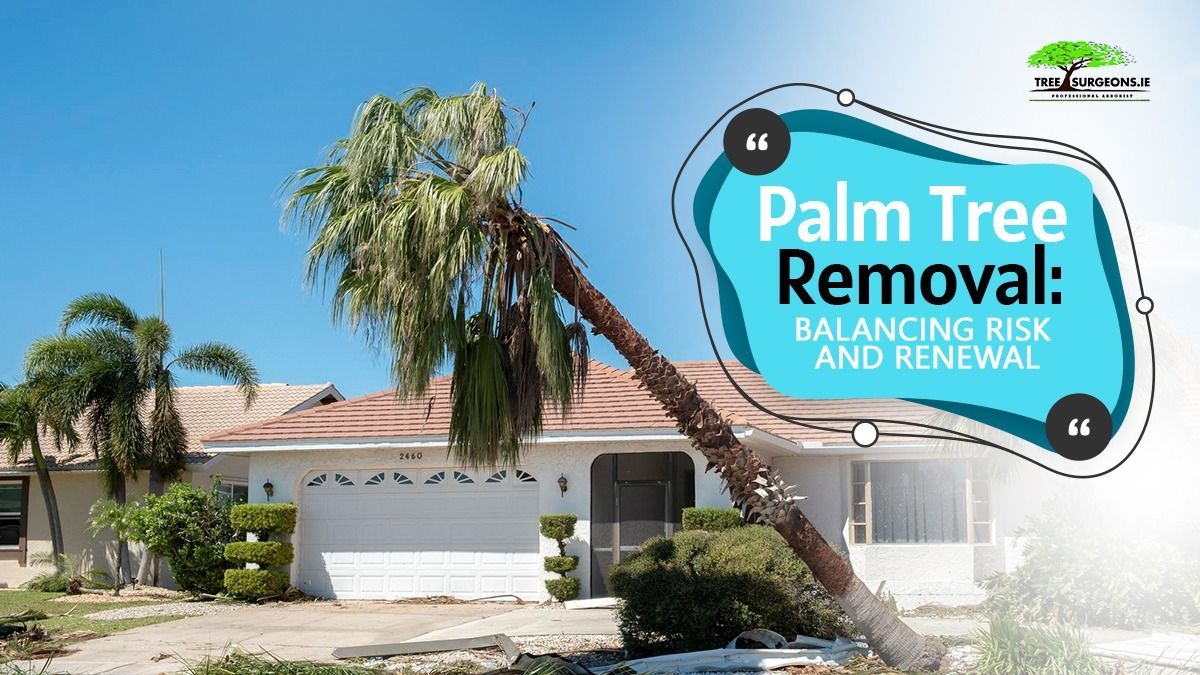
- Unstable or storm-damaged trees: Storms can cause hidden structural weaknesses. Deadwood, cracks, or leaning trunks create unpredictable behaviour. Professionals use risk assessments, anchoring techniques, and specialised tools for safer management.
- Large or heavy trees requiring team coordination: Big trees involve weight distribution, controlled cuts, and heavy loads. Coordinated communication and multi-person operation help manage these safely.
- Mid-late placement keyword requirement: In more complex cases—especially where height, confined spaces, or structural risk are involved—many property owners rely on the safest tree felling in Limerick to ensure the job is handled with full safety compliance and technical precision.
Safety Methodologies Used by Professional Arborists
Experienced arborists follow strict safety processes that ensure both efficient work and risk reduction.
- Structured risk calculation: Before any cut, professionals evaluate potential hazards, load paths, anchor points, and escape routes. This planning reduces sudden surprises during the cutting process.
- Use of mountaineering-style techniques: Modern tree work often combines climbing, controlled descent, and rope-assisted movement. These methods increase accuracy and reduce environmental disruption.
- Certified equipment and compliance standards: Professionals rely on CE-certified equipment, Irish LOLER compliance, and NPTC-qualified chainsaw operation. These standards ensure that both tools and users meet safety expectations.
- Two-way communication and teamwork: With Bluetooth intercoms and coordinated signals, teams can manage sections of heavy wood, discuss hazards, and move safely around the work site.
Our Final Recommendation
Tree cutting requires careful planning, reliable equipment, and well-practiced safety techniques—especially when dealing with height, weight, or compromised tree structure. When the situation becomes too complex, hazardous, or technically demanding, calling in trained professionals is the most responsible option.
With certified gear, rope-system experience, and over a decade of industry knowledge, Tree Surgeons & Pro Gardening offers dependable support for safe and effective tree work. If you’re looking for advice, assistance, or fully managed solutions involving tree cutting in Limerick, our team is ready to help you protect your property with confidence and care.