Tree Cutting Essentials You Need in 2026: Skills, Gear & Know-How
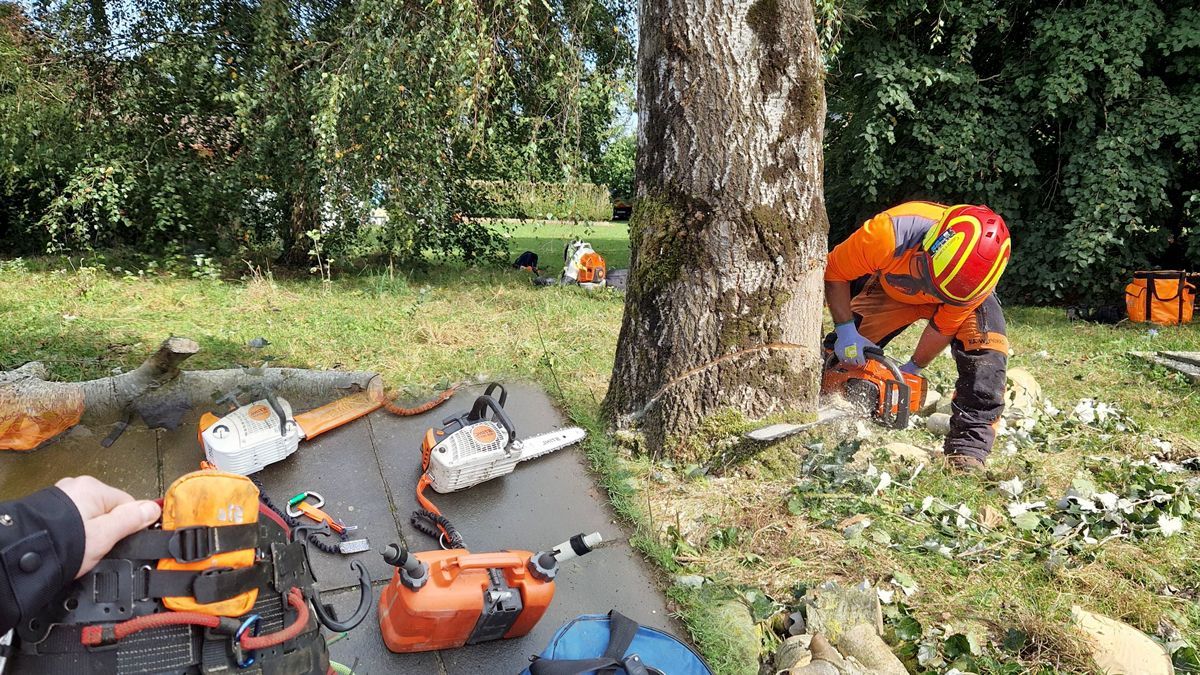
Tree cutting is one of those tasks that seems simple until you're beside a towering tree, saw in hand, realizing how much skill and judgment it actually requires. Whether you're improving garden safety, clearing storm-damaged branches, or managing overgrowth, having the right approach matters—especially for locals seeking trusted tree cutting in Limerick.
Continue reading this blog as it will discuss the core skills, techniques, and equipment you need to understand before tackling any tree-related task. With a clear focus on safety, practical methods, and structured knowledge, this article will help you plan tree work more confidently and responsibly.
The Most Essential Skills Behind Safe & Effective Tree Cutting
Believe it or not, tree cutting is more than a physical task; it requires decision-making, practical methods, and awareness of environmental and structural conditions. Below are the core areas that define safe, skill-focused tree work.
Assessing tree condition — understand risks before cutting
Before lifting a saw, a proper assessment is essential. This includes identifying dead branches, internal decay, storm damage, or leaning trunks. Evaluating the condition of the tree helps determine whether a ground-based cut, a sectional removal, or a rope-assisted method is appropriate.
Understanding cutting techniques — match method to situation
Directional felling cuts, controlled hinge cuts, and sectional dismantling all serve different purposes. Choosing the right one depends on the tree’s size, height, lean, and proximity to buildings, cables, or garden spaces. Proper cutting technique controls the fall path and reduces hazards.
Rope and climbing knowledge — essential for limited-space work
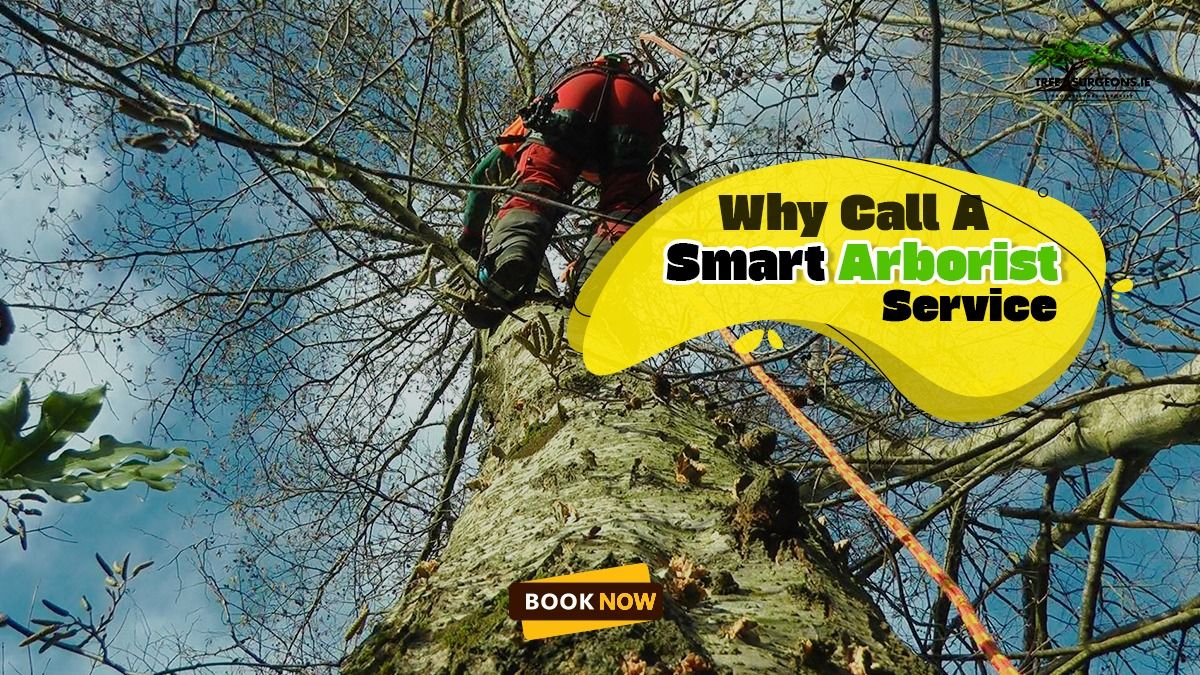
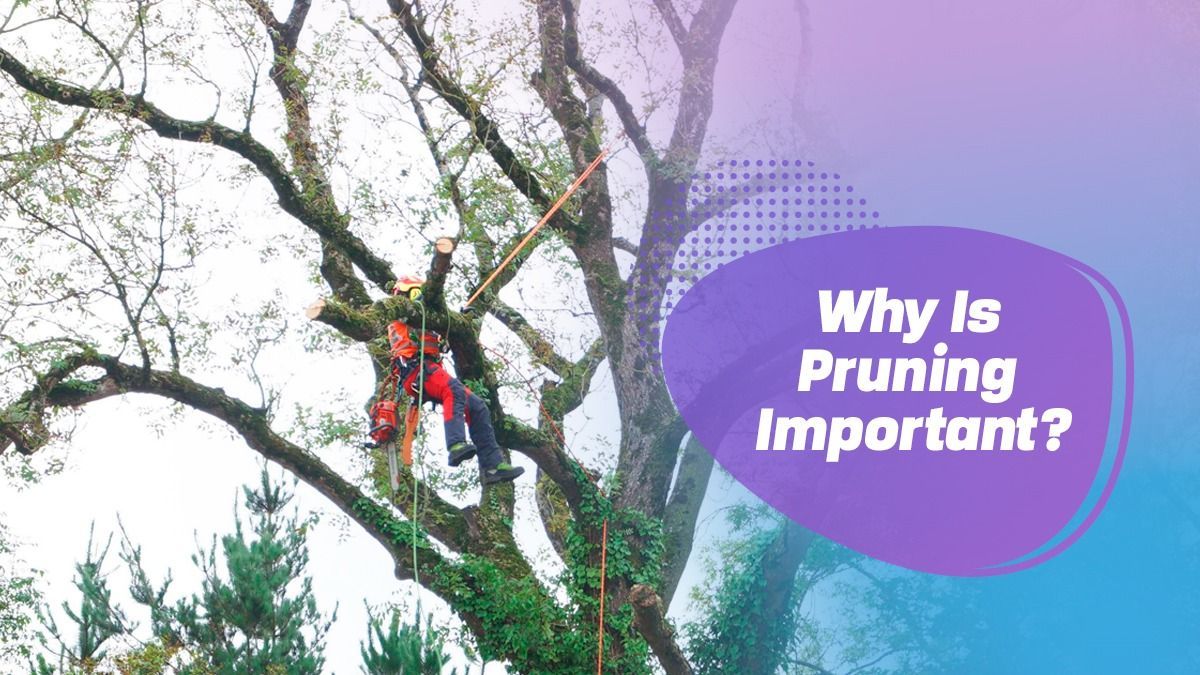
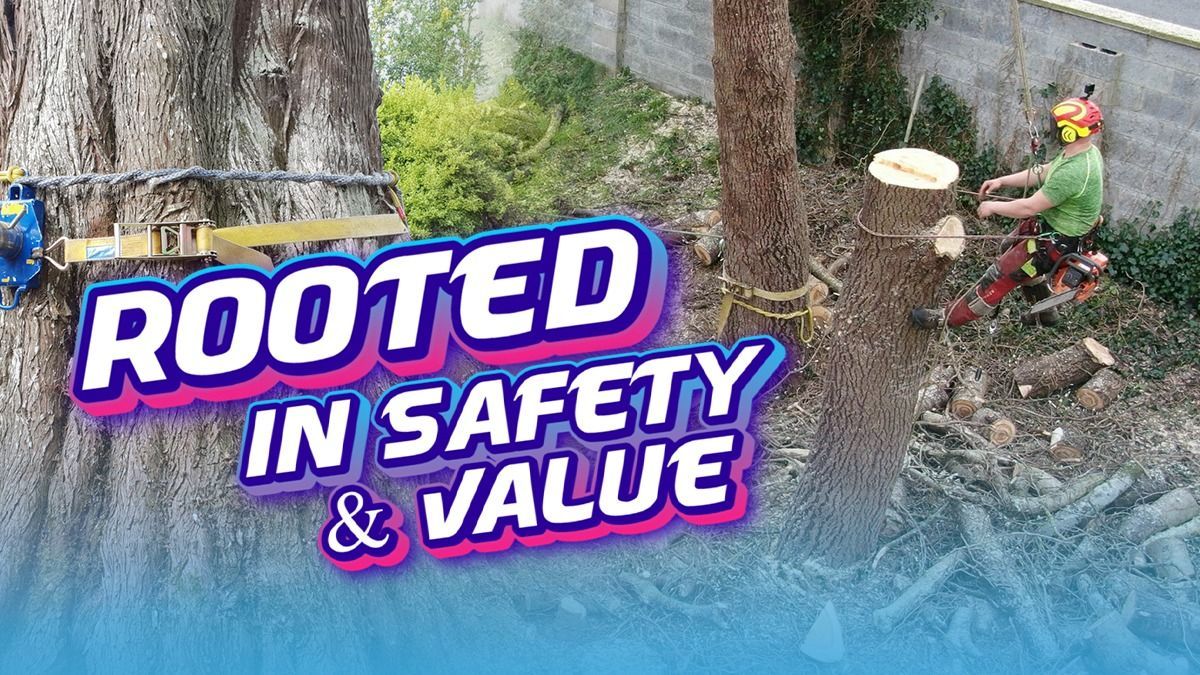
Many modern pruning and cutting techniques require rope-system climbing, especially when trees stand in confined gardens or close to structures. Rope climbing demands training, certified equipment, and the ability to manoeuvre safely while maintaining balance and control.
Hazard awareness — identify environmental and structural risks
Nearby properties, overhead lines, unstable soil, and wind exposure all affect how a cut should be performed. Recognizing these hazards supports safer planning and reduces the likelihood of accidental damage.
The Gear, Equipment & Safety Standards That Matter
Safe and efficient tree cutting in Limerick depends heavily on using proper equipment, correctly maintained and certified. High-quality gear is not a luxury—it is the core of responsible tree work.
Cutting Tools and Chainsaws
A reliable chainsaw is the backbone of tree cutting. For professional work, saws are typically equipped with safety chain brakes, anti-vibration systems, and bar lengths selected for the size of the tree. Maintaining sharp chains, cleared air filters, and proper lubrication prevents kickback and improves precision.
Climbing Equipment with Certified Standards
Modern arborists rely on CE-certified and LOLER-approved climbing gear. Harnesses, helmets, ropes, and connectors must meet European safety standards. Equipment such as impact-protective helmets and Bluetooth-enabled intercoms supports safer communication when climbing or coordinating sectional removals.
Rope Systems for Sectional Removals
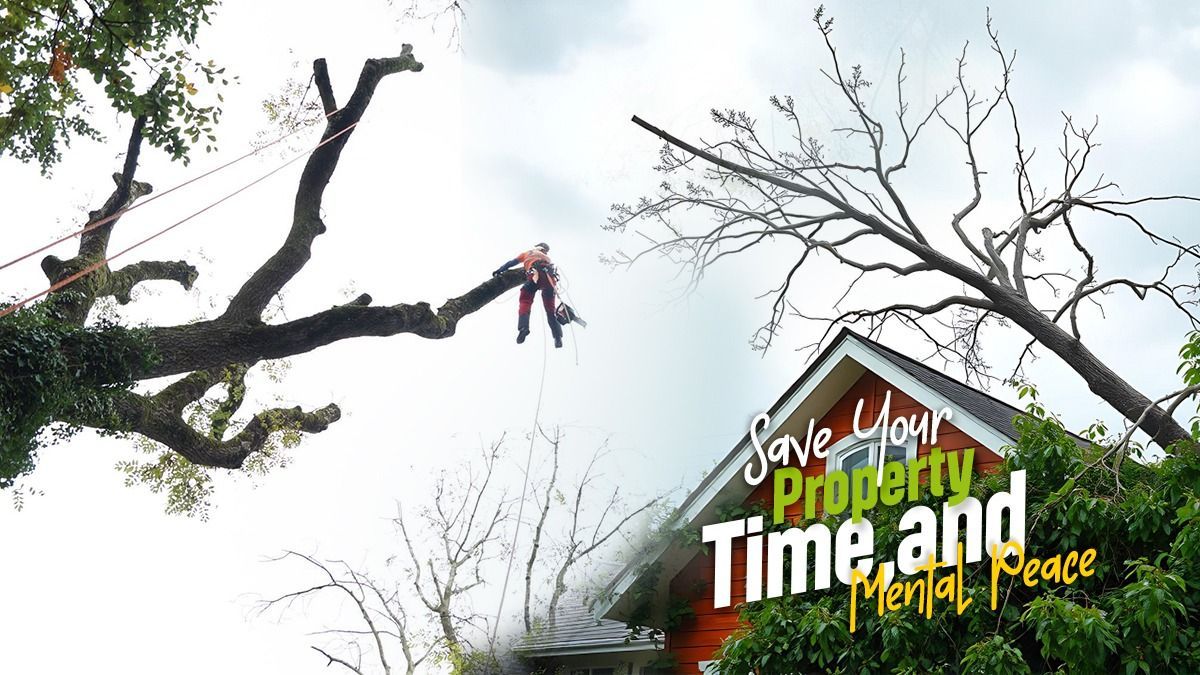
Heavy-duty ropes, pulleys, and friction devices help lower branches safely when trees are close to houses, roofs, sheds, or garden structures. Sequential removal—taking the tree apart from top to bottom—prevents accidental impact on nearby objects.
Mechanical Assistance: Hoists and Cranes
If the trees are unsafe to climb—due to rot, storm damage, or instability—cranes or hoists may be used. These tools allow arborists to remove large sections efficiently and reduce the risk of collapse. Crane work is essential for dead, wide-crowned, or structurally threatened trees.
When to Call a Professional Tree Specialist
Though your tree-cutting team has good knowledge, some situations demand highly experienced intervention. This is where trained and certified arborists become indispensable.
Complex or Confined Locations
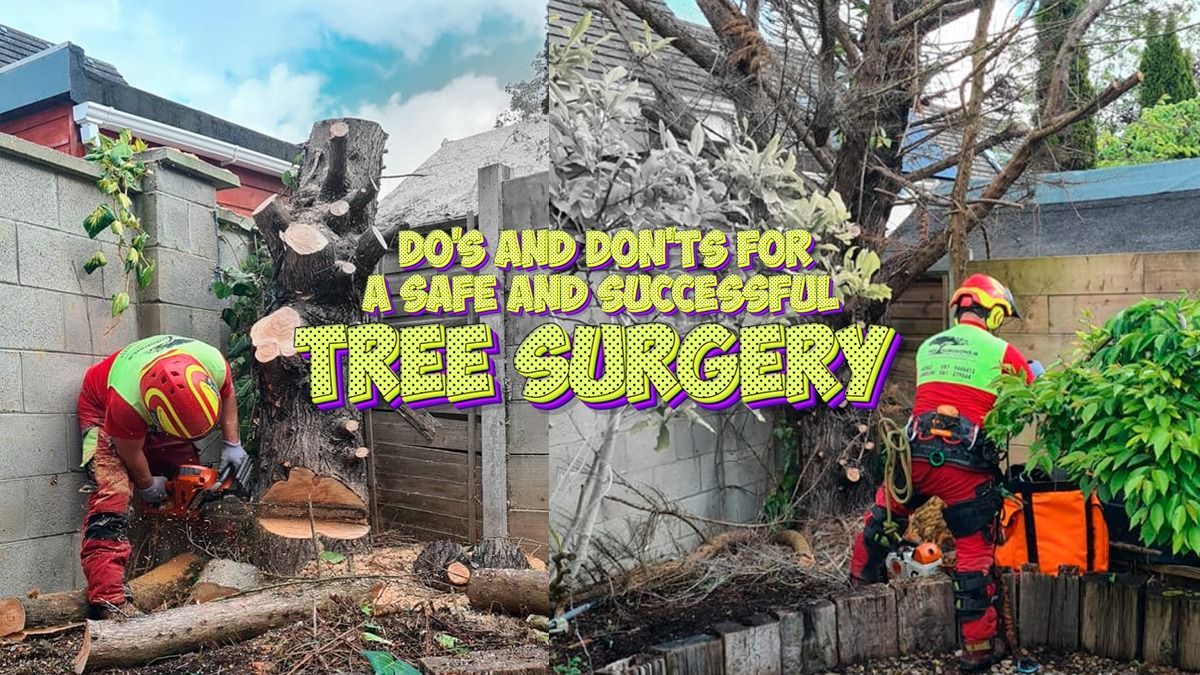
Trees growing close to walls, neighbouring structures, power lines, or garden boundaries require technically precise work. Sequential removal with ropes or piece-by-piece dismantling is often necessary.
Dead or Dangerous Trees
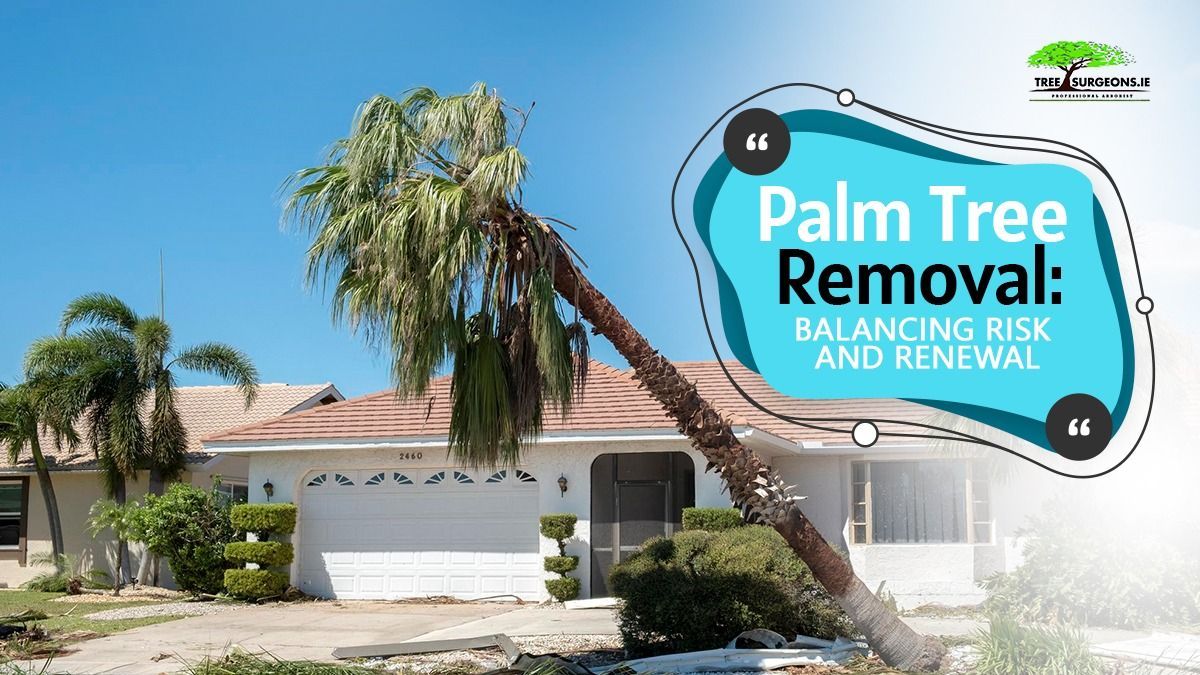
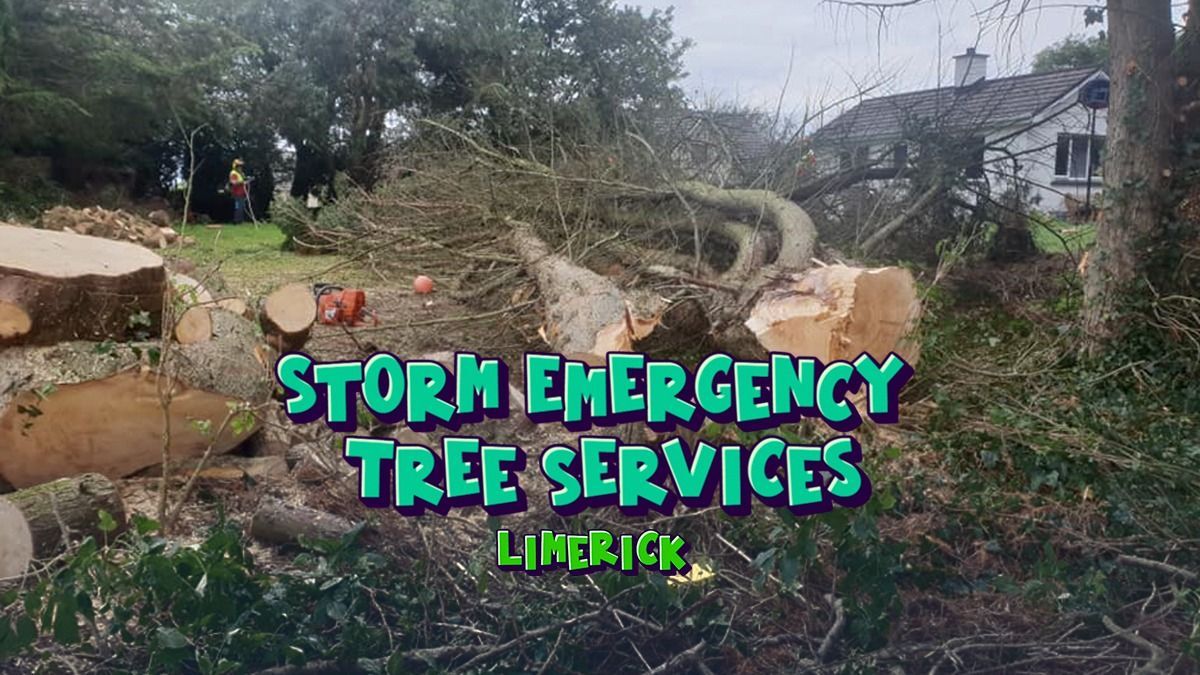
Dead or storm-damaged trees behave unpredictably. Weak roots, cracked trunks, and hollow sections can collapse without warning. Professionals use risk calculations, proper anchoring, and certified equipment to handle these situations safely.
Large or Multi-Stem Trees
Bigger trees require coordinated teamwork, load-bearing gear, and strategic planning. Evaluating the fall direction, selecting the correct cut angles, and managing branch weight are all part of professional oversight.
In situations requiring advanced cutting, sectional removal, or rope-based access, many homeowners seek support from the best tree surgeon in Limerick, especially when precision and safety are priority concerns.
Our Final Message for You
To safely cut a tree involves height, weight, or uncertain structural conditions, bringing in trained specialists is always the safer option. With certified equipment, rope-system skills, and more than a decade of industry experience, Tree Surgeons & Pro Gardening offers reliable support for everything from careful pruning to full tree removal.
Whether you’re managing storm damage, improving garden safety, or planning seasonal maintenance, our team can help with dependable service and local expertise. If you need guidance or assistance with tree cutting in Limerick, reach out today—our specialists are ready to provide safe, skilled, and efficient solutions for your property. Contact soon and live safely.